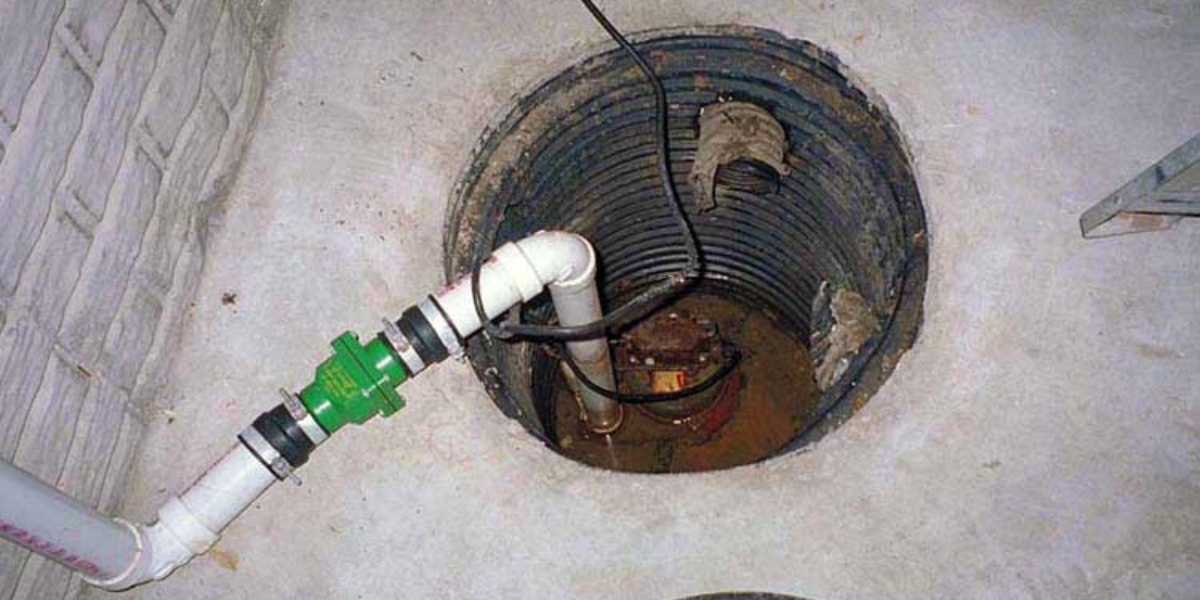
A sump pump is one of the most important defenses a home has against basement flooding. When it’s working properly, it quietly removes groundwater and stormwater before it can cause damage. Unfortunately, many homeowners discover problems with their sump pump at the worst possible time during heavy rain storms. These failures often result in flooded basements, damaged belongings, mold growth, and costly repairs.
Understanding why sump pumps fail during rain storms can help homeowners take proactive steps to prevent water damage and avoid emergency situations. Below, we’ll break down the most common causes of sump pump failure, how storms place extra stress on these systems, and what you can do to protect your home.
1. Power Outages During Storms
One of the most common reasons sump pumps fail during rain storms is a loss of electrical power. Heavy rain, lightning, high winds, and falling trees can all cause power outages. Since most sump pumps rely on electricity, they stop working the moment the power goes out even as water levels continue to rise.
This creates a dangerous situation where groundwater rapidly fills the sump pit with no way to discharge it. In severe storms, a basement can flood in a matter of minutes.
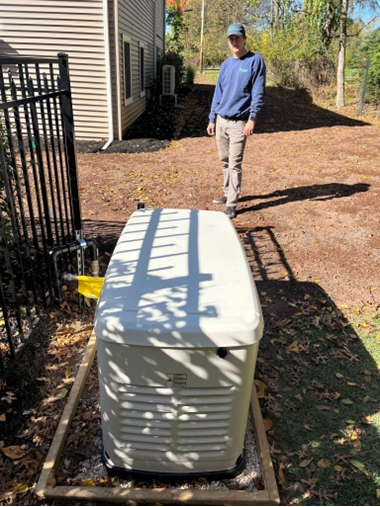
Installing a battery backup sump pump or a water-powered backup system can keep your basement protected when the power fails. Backup systems automatically activate when the primary pump shuts off. Battery backup pumps only work for a couple of hours until the battery dies. The only way to completely guarantee your pump does not lose power is with a generator.
2. Overworked or Undersized Sump Pumps
During heavy rain, the amount of groundwater entering the sump pit can increase dramatically. If a sump pump is undersized for the home or basement conditions, it may not be able to keep up with the inflow.
When a pump runs continuously for extended periods:
- The motor can overheat
- Internal components can wear out faster
- The pump may eventually burn out or shut down
This is especially common in older homes where sump pumps were installed years ago and may not meet current drainage demands. A professional plumber can evaluate whether your sump pump has the correct horsepower and pumping capacity (measured in gallons per hour) for your home.
3. Clogged or Frozen Discharge Lines
Even if the sump pump itself is functioning properly, it can still fail if the discharge line is blocked. During storms, debris such as mud, leaves, gravel, or ice can clog the pipe that carries water away from the home.
When the discharge line is blocked, the water has nowhere to go so it will fall back into the pit. The sump pump will continually run to pump the water out causing it to overheat or fail.
In winter or early spring storms, frozen discharge lines are a major cause of sump pump failure.
Make sure the discharge pipe is clear, properly sloped, and extends far enough away from the foundation. Installing a discharge line guard or freeze-resistant system can help prevent blockages.
4. Stuck or Malfunctioning Float Switch
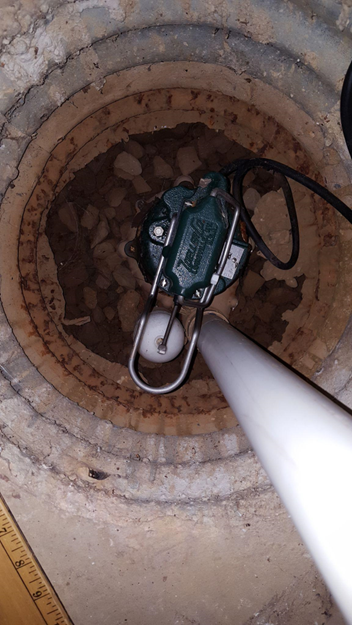
The float switch is the component that tells the sump pump when to turn on and off. During heavy storms, debris inside the sump pit such as silt, gravel, or small stones can interfere with the float’s movement.
Common float switch issues include:
- The float getting stuck in the “off” position, preventing the pump from activating
- The float staying stuck in the “on” position, causing nonstop operation
- Electrical failure within the switch
Float switch problems are one of the most frequent mechanical causes of sump pump failure.
Regular sump pit cleaning and annual testing can ensure the float switch moves freely and activates properly.
5. Lack of Regular Maintenance
Many homeowners assume their sump pump will work indefinitely without attention. In reality, sump pumps require routine maintenance to remain reliable especially before the rain season.
Without maintenance:
- Dirt and sediment build up in the pit
- The impeller can become jammed
- Electrical connections can corrode
- Floats can become out of position
A sump pump that hasn’t been tested in months or years is far more likely to fail when it’s needed most. Test your sump pump at least once every few months by pouring water into the pit and confirming that it turns on, pumps water out, and shuts off correctly.
6. Old Age and Worn-Out Components
Sump pumps don’t last forever. On average, a sump pump has a lifespan of 7 to 10 years, depending on usage, water conditions, and maintenance.
During heavy rain storms, an aging pump may fail due to:
- Worn motor bearings
- Cracked housings
- Reduced pumping efficiency
- Electrical failure
Often, storms don’t cause failure, they simply expose an existing weakness.
If your sump pump is approaching the end of its expected lifespan, replacing it proactively is far less expensive than dealing with flood damage.
7. Improper Installation or Poor Design
Sump pumps that are incorrectly installed are much more likely to fail under storm conditions. Common installation issues include:
- A sump pump or pit that is too small
- Improper check valve installation can completely block the flow of water
- Poorly sealed lids allowing debris inside
- Discharge lines routed too close to the foundation allowing water to pool around your foundation
These design flaws may not be obvious during light rain but become serious problems during heavy downpours. Having a licensed plumber inspect your sump pump system can identify installation problems before they lead to failure.
8. Drainage Overload
During extreme rain storms, municipal storm drains can become overwhelmed. When this happens, water may not drain away from properties as quickly as intended.
This can cause:
- Higher groundwater levels around the foundation
- Slower discharge from sump pump lines
- Increased cycling and strain on the pump
In severe cases, backflow issues can worsen basement flooding. Installing a backwater valve and ensuring proper exterior drainage around the home can reduce stress on your sump pump during storms.
9. Single-Pump Systems Without Redundancy
Many homes rely on a single sump pump with no backup. While this may work under normal conditions, it creates a single point of failure during major rain events.
If that one pump fails due to power loss, mechanical issues, or overload, there’s nothing to stop water from entering the basement. Dual-pump systems or secondary backup pumps provide an additional line of defense and significantly reduce flood risk.
Protecting Your Home Before the Next Storm
Sump pump failures during rain storms are common but they’re often preventable. The combination of heavy water volume, power outages, mechanical wear, and lack of maintenance creates the perfect storm for basement flooding.
To protect your home:
- Test your sump pump regularly
- Schedule professional inspections
- Install a battery or water-powered backup
- Keep discharge lines clear
- Replace aging pumps before they fail
A properly maintained sump pump system can mean the difference between a dry basement and thousands of dollars in water damage.
If you’re unsure whether your sump pump is ready for the next heavy rain storm, having it evaluated by Zeek Plumbing can provide peace of mind and help ensure your home stays protected when the weather turns severe!