A clogged drain is one of those home maintenance issues that seems small until it isn’t. Whether it’s a slow draining sink, a backed up shower, or a stubborn kitchen pipe, clogs can disrupt your daily routine and raise concerns about costly repairs. Before you call Zeek Plumbing or reach for harsh chemical drain cleaners, there are several safe and effective home remedies you can try yourself.
In this comprehensive guide, we’ll walk through practical, homeowner friendly methods to clear common clogs using tools and ingredients you likely already have.
Understanding What Causes Clogs
Before jumping into solutions, it helps to know what you’re dealing with. Different drains clog for different reasons:
- Kitchen sinks: Grease, food scraps, coffee grounds, soap residue
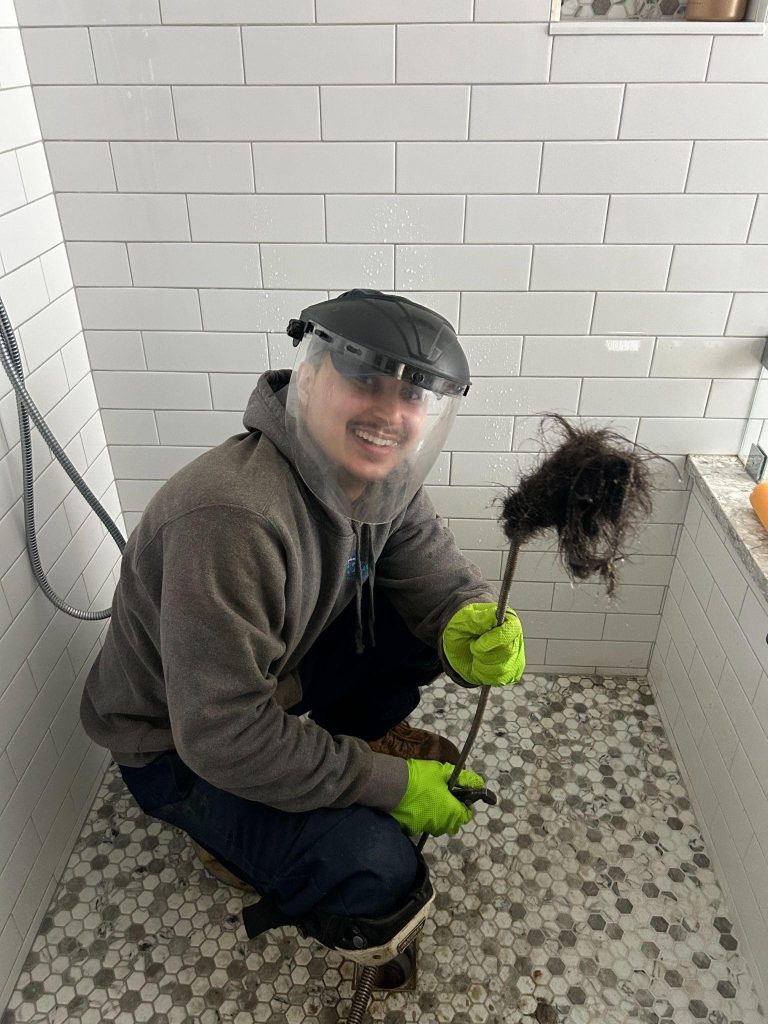
- Bathroom sinks and showers: Hair, soap scum, toothpaste buildup
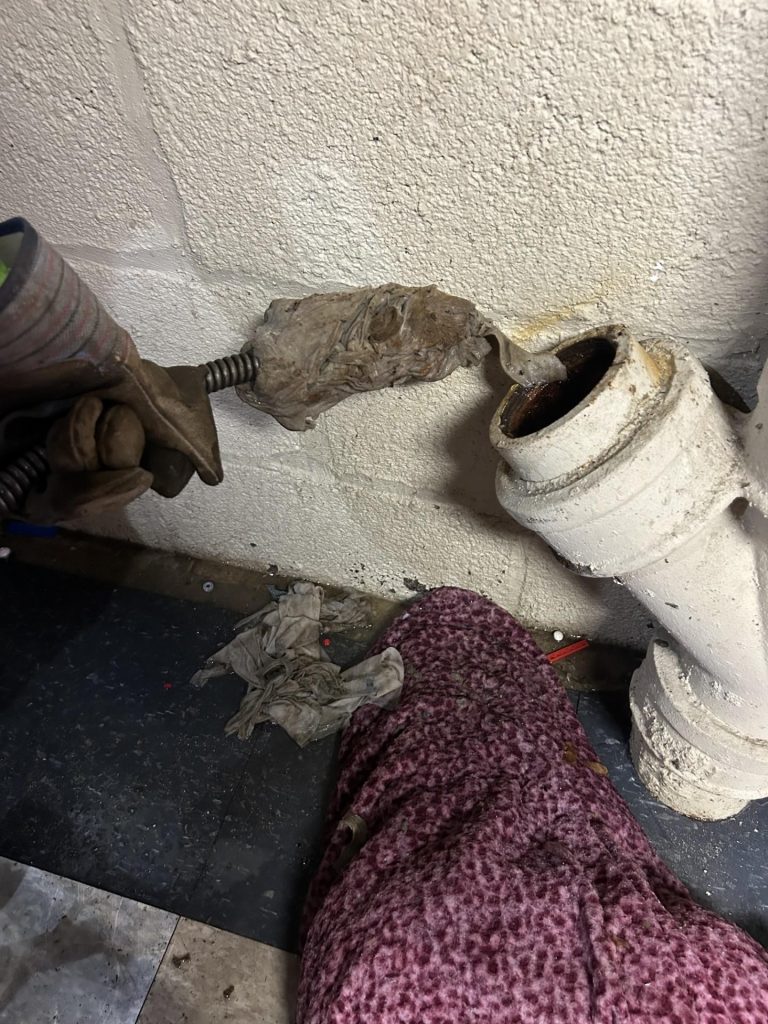
- Toilets: Excess toilet paper, non-flushable items
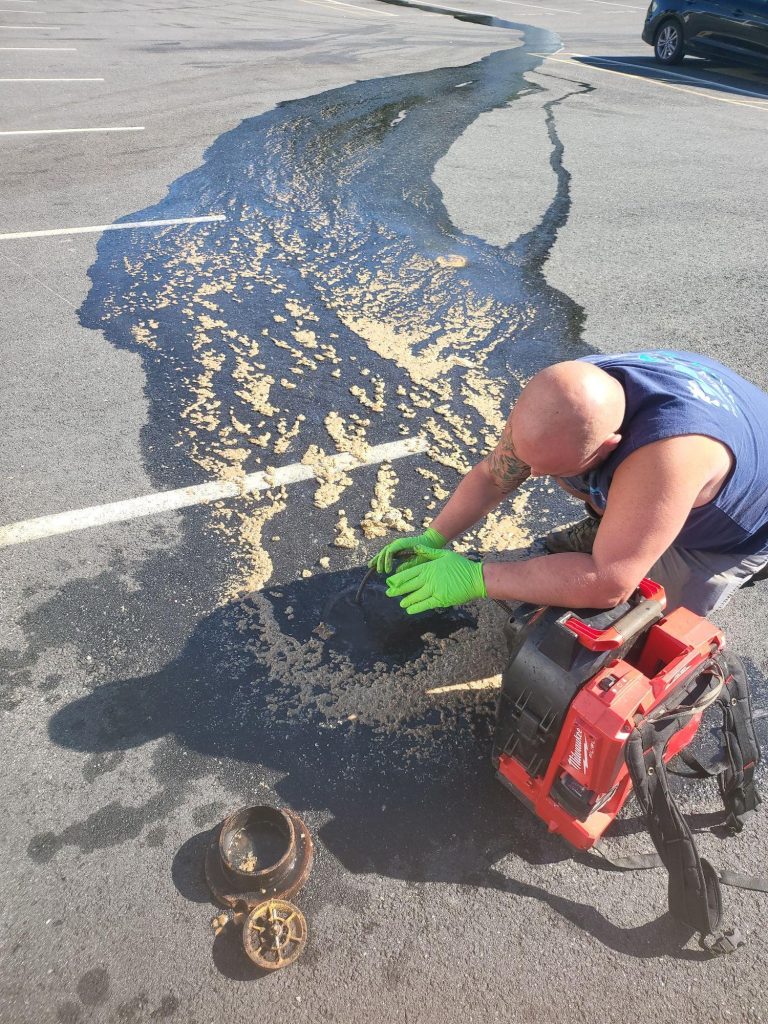
- Floor drains: Dirt, debris, sediment
Understanding the source of the clog can help you choose the most effective remedy.
1. Boiling Water (The Simplest First Step)
Sometimes, the simplest solution is the most effective.
Best for:
- Grease clogs
- Soap buildup
How to do it:
- Boil a full kettle or pot of water.
- Carefully pour it down the drain in two to three stages.
- Wait 30 seconds between pours.
Boiling water can melt and loosen grease or soap deposits clinging to pipe walls. However, avoid using this method if you have PVC pipes and suspect a severe clog, as excessive heat could potentially melt PVC.
2. Baking Soda and Vinegar
This classic combination creates a fizzing reaction that can break apart minor blockages.
Best for:
- Slow drains
- Mild organic buildup
Steps:
- Pour baking soda into the drain.
- Add vinegar immediately.
- Cover the drain (to keep the reaction inside).
- Wait 15–30 minutes.
- Flush with hot water.
The chemical reaction helps dislodge grime and debris. While it won’t dissolve large obstructions, it’s an excellent first-line remedy for sluggish drains.
3. Dish Soap and Hot Water (Especially for Toilets)
If your toilet is clogged and you don’t have a plunger nearby, this trick can help.
Best for:
- Mild toilet clogs
Dish soap lubricates the pipes and helps break down organic matter.
Steps:
- Pour liquid dish soap into the toilet bowl.
- Let it sit for 10–15 minutes.
- Carefully add hot (not boiling) water from waist height.
- Wait several minutes and try flushing.
The added pressure from pouring water from height can help push the clog through.
4. The Plunger (Used Correctly)
Plungers are one of the most reliable clog-clearing tools, but they must be used properly.
Tips for success:
- Ensure there is enough water to cover the plunger head.
- Create a tight seal before plunging.
Push down gently at first to release air, then plunge forcefully 10–15 times. Often, consistent pressure is all that’s needed to dislodge a clog.
5. Remove and Clean the P-Trap
If your sink remains clogged, the problem may be sitting in the curved pipe underneath.
Best for:
- Bathroom or kitchen sink clogs
What to do:
- Place a bucket under the sink.
- Unscrew the P-trap connections (usually hand-tightened).
- Remove and clean out debris.
- Rinse thoroughly and reinstall.
Many sink clogs are caused by hair, soap buildup, or food particles that accumulate in this bend.
6. Use a Drain Snake or Zip Tool
Sometimes you need a mechanical solution.
Options:
- Manual drain snake
- Plastic hair removal tool (zip-it style)
Insert the tool into the drain and rotate or pull gently to remove hair and debris. This method is particularly effective in bathroom drains where hair is the primary culprit.
7. Salt and Baking Soda
Similar to baking soda and vinegar, this creates an abrasive chemical reaction within the drain.
Steps:
- Pour the salt and baking soda into the drain.
Let it sit for several hours or overnight. - Flush with boiling water.
Salt adds abrasion, which can help break down stubborn grime.
8. Wet/Dry Vacuum
If you have a shop vacuum, it can be surprisingly effective.
How:
- Set it to liquid mode.
- Seal the vent to prevent mess.
- Create a tight seal over the drain.
- Turn it on at the highest setting.
The vacuum may pull the entire clog out entirely, but it will have issues removing solids. This can help prevent any debris from overflowing out of toilets, sinks, and tubs.
[fl_builder_insert_layout id=5318]
9. Enzyme Drain Cleaners
Unlike harsh chemical cleaners, enzyme-based products use bacteria and enzymes to digest organic matter.
Best for:
- Preventative maintenance
- Organic material clogs
These cleaners take longer to work but are safer for pipes and septic systems. They’re especially useful if you want a more environmentally friendly approach.
10. Prevent Future Clogs
Prevention is just as important as clearing existing blockages.
Smart habits:
- Install drain strainers in sinks and showers.
- Avoid pouring grease down the kitchen drain.
- Run hot water after each use in kitchen sinks.
- Clean bathroom drains monthly.
- Never flush wipes, even if labeled “flushable.”
Regular maintenance can significantly reduce the likelihood of major clogs.
When to Call a Professional
Home remedies work well for minor to moderate clogs. However, it’s time to call a plumber if:
- Multiple drains are clogged simultaneously.
- You hear gurgling sounds from pipes.
- Water backs up into other fixtures.
- There’s a sewage smell.
- DIY methods don’t work after several attempts.
Persistent or widespread issues may indicate a deeper problem in your main sewer line.
What to Avoid
While it may be tempting to grab a bottle of chemical drain cleaner, these products can:
- Damage pipes (especially older plumbing)
- Corrode fixtures
- Pose safety risks
- Harm septic systems
They may provide a temporary fix but can create bigger issues over time.
A Step-by-Step Approach for Homeowners
If you’re facing a clog, try this sequence:
- Boiling water
- Baking soda and vinegar
- Plunger
- Drain snake
- Clean the P-trap
This progression moves from least invasive to more hands-on solutions.
Final Thoughts
Clogged drains are a common part of homeownership, but they don’t always require professional intervention. With a few basic tools and household ingredients, many blockages can be cleared safely and effectively.
The key is understanding the type of clog you’re dealing with and choosing the appropriate remedy. Start simple, work methodically, and prioritize safe, pipe-friendly methods.
By taking a proactive approach to drain care and learning a few DIY techniques, you can save money, reduce stress, and keep your home’s plumbing system flowing smoothly year-round.
If you are unable to clear any home clog, call Zeek Plumbing at 866-635-0200! We offer drain snaking services for sink drains, shower/tub drains, toilets, underground drains, sewer mains, septic mains, and more!