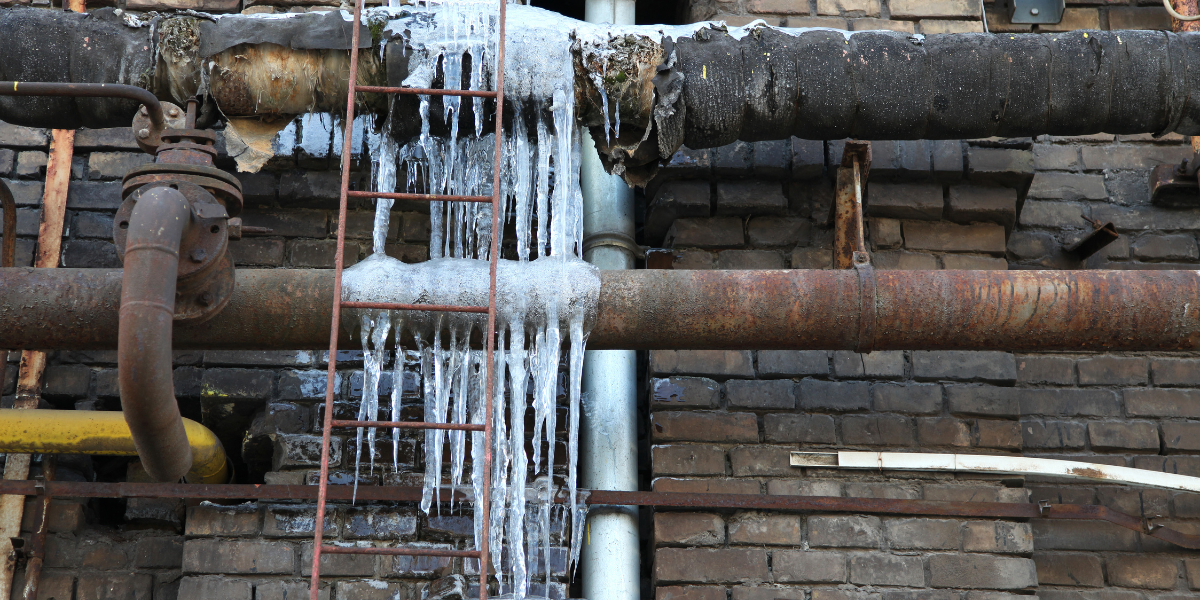
Winter in Morris County, New Jersey, can be long, cold, and unpredictable. Towns like Randolph, Morristown, Mendham, Denville, and Rockaway routinely experience below-freezing temperatures, snowstorms, and sharp overnight temperature drops. These conditions make frozen and burst pipes one of the most common and expensive winter plumbing emergency repair scenarios for local homeowners.
From older colonials in Morristown to split-level homes in Randolph and larger properties in Mendham, many Morris County homes face unique plumbing risks during winter. Understanding why pipes freeze, what causes them to burst, and how to prevent them can help protect your home from flooding, water damage, mold growth, and costly repairs, especially with effective burst pipe prevention.
Why Frozen Pipes Are So Common in Morris County
Morris County is one of the colder regions in North Jersey. Several local factors increase the likelihood of frozen water pipes:
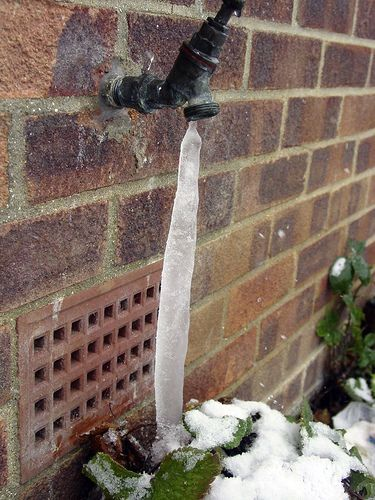
- Frequent overnight temperatures well below 32°F
- Prolonged cold snaps that last days or weeks
- Strong winter winds, especially in elevated areas
- Older homes built before modern insulation standards
- Finished basements and additions with exposed plumbing
In towns like Rockaway and Denville, colder valleys and wind exposure can accelerate freezing, while historic homes in Morristown and Mendham often have plumbing systems that were never designed for today’s winter extremes, making them susceptible to frozen water pipes.
What Causes Pipes to Freeze in Morris County Homes
Frozen water pipes are usually caused by a combination of exposure, insulation issues, and a lack of water movement.
1. Pipes Located in Unheated or Poorly Insulated Areas
In Morris County homes, the most vulnerable pipes are often found in:
- Basements and crawl spaces
- Attics and knee walls
- Garages
- Utility rooms
- Pipes running along exterior walls
- Under kitchen and bathroom cabinets
Homes in Randolph and Denville with attached garages frequently have plumbing lines running through walls adjacent to unheated spaces, making them especially susceptible to freezing during cold spells, and potentially leading to a pipe burst in the house.
2. Older Homes With Outdated Insulation
Many homes in Morristown, Mendham, and Rockaway were built decades ago and may still have:
- Minimal wall insulation
- Gaps where pipes enter walls or foundations
- Plumbing is installed close to exterior walls.
Without proper insulation, pipes lose heat quickly and can freeze after just a few hours of exposure to cold air, increasing the risk of frozen water pipes.
3. Drafts and Air Leaks
Cold drafts play a major role in pipe freezing. Common sources include:
- Cracks in foundations
- Gaps around windows and doors
- Unsealed rim joists
- Openings where plumbing penetrates walls
During Morris County winter storms, strong winds can force freezing air directly onto pipes through even the smallest gaps, contributing to frozen water pipes.
4. Infrequently Used Plumbing Lines
Pipes that don’t see regular water use are more likely to freeze because standing water freezes faster than moving water. This is common in:
- Guest bathrooms
- Basement sinks
- Laundry rooms
- Homes with finished basements
- Seasonal or part-time residences
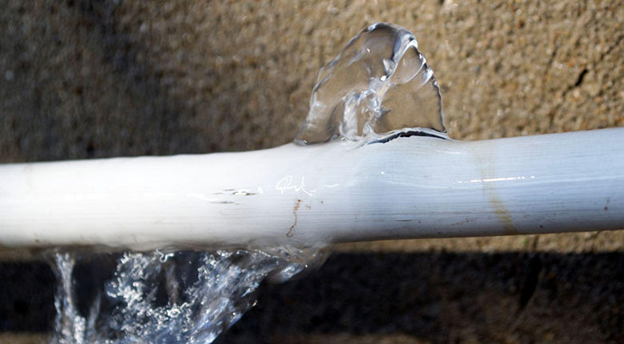
In larger homes in Mendham or Randolph, guest bathrooms or lower-level plumbing lines often become problem areas during extended cold periods, increasing the chance of frozen water pipes.
5. Sudden Temperature Drops
Morris County winters often include temperature swings, mild weather followed by a rapid plunge below freezing. These sudden drops catch many homeowners off guard, especially if hoses are still connected, or pipes aren’t insulated, making frozen water pipes a real concern.
Why Frozen Pipes Burst
Frozen pipes burst because of pressure buildup, not simply because water freezes.
How It Happens:
- Water inside the pipe freezes and expands.
- Ice creates a blockage in the pipe.
- Pressure is created between the ice blockage and a closed valve.
- The pipe splits or bursts at its weakest point.
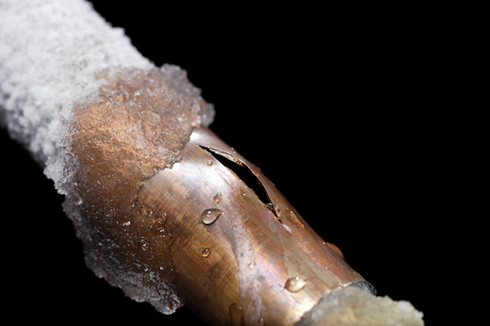
The most severe damage often occurs when the pipe thaws and water floods the home, sometimes when no one is home to notice it right away, necessitating a burst pipe repair.
Pipes Most at Risk in Morris County Homes
Certain pipe materials and locations are especially vulnerable in Morris County, making them prime candidates for a pipe burst in the house:
- Copper pipes in exterior walls
- Galvanized steel pipes in older homes
- PVC or CPVC piping exposed to cold air
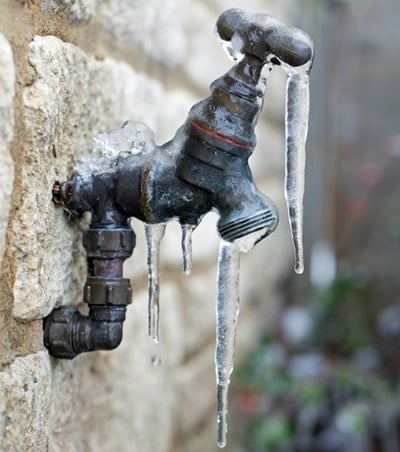
- Outdoor hose bibs and irrigation lines
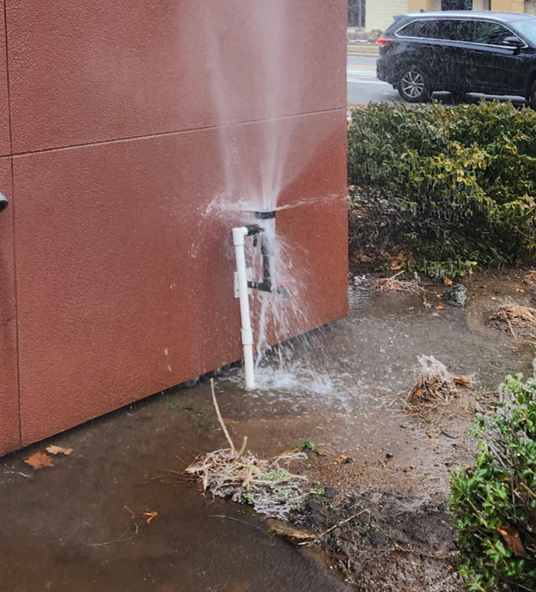
Many older homes in Morristown and Rockaway still have original galvanized piping, which is particularly prone to bursting when frozen.
Damage Caused by Burst Pipes
A burst pipe is one of the most destructive plumbing emergency repair scenarios a homeowner can face.
Common Damage Includes:
- Flooded basements and crawl spaces
- Damaged drywall and insulation
- Warped hardwood and laminate flooring
- Mold and mildew growth
- Electrical hazards
- Expensive water damage restoration
In Morris County, burst pipes often lead to extensive repairs far more costly than preventive plumbing maintenance.
How to Prevent Frozen and Burst Pipes in Morris County
Burst pipe prevention is far easier and less expensive than repairing burst pipes. Here are the most effective steps Morris County homeowners can take.
1. Insulate Exposed Pipes
Pipe insulation services are one of the best defenses against freezing.
- Use foam pipe sleeves or fiberglass wrap.
- Insulate pipes in basements, crawl spaces, garages, and attics.
- Pay special attention to pipes near exterior walls.
Insulation helps retain heat and slows freezing during prolonged cold weather common in Morris County, aiding in burst pipe prevention.
2. Seal Drafts and Air Leaks
Keep cold air away from plumbing by sealing:
- Foundation cracks
- Gaps around windows and doors
- Openings where pipes enter walls or floors
Caulking and weather stripping are affordable upgrades that can make a significant difference during winter, contributing to burst pipe prevention.
3. Maintain Consistent Indoor Heat
Never shut off your heat completely during winter, even if you’re away. This is crucial for burst pipe prevention.
- Keep the thermostats set and don’t turn off the heat if you will be away.
- Avoid large temperature setbacks overnight.
- Maintain even heat throughout the home.
Older homes in Morristown and Mendham often have uneven heating, making consistent temperatures especially important for avoiding frozen water pipes.
4. Let Faucets Drip During Extreme Cold
Allowing a faucet to drip slightly keeps water moving and reduces pressure buildup, a simple burst pipe prevention technique.
- Focus on faucets connected to exterior walls, such as kitchen sinks or bathroom sinks.
- Water does not need to be fully turned on; a small drip is enough to keep water moving.
- This is especially helpful during overnight cold snaps, helping to avoid frozen water pipes.
5. Open Cabinet Doors
During cold weather, open kitchen and bathroom cabinets to allow warm air to circulate around the plumbing. This simple yet effective step is especially beneficial in older homes in Morris County. Many water lines and drain lines are run through or behind cabinets, which can help prevent frozen water pipes.
6. Disconnect and Protect Outdoor Faucets
Outdoor spigots are one of the most common freeze points and a key area for burst pipe prevention.
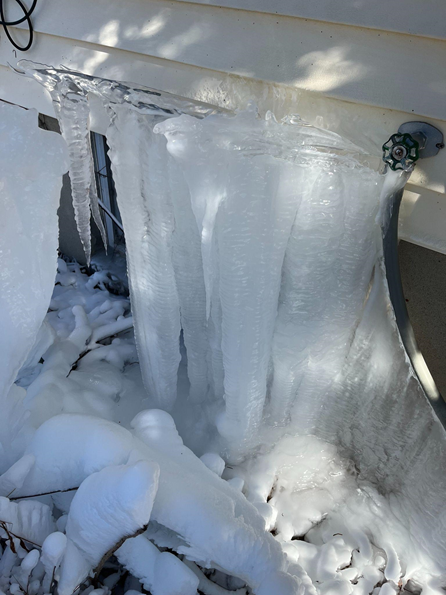
- Disconnect garden hoses before winter
- Shut off interior valves supplying outdoor faucets
- Drain any remaining water.
Installing frost-free hose bibs is a smart long-term upgrade for Morris County homes, enhancing burst pipe prevention.
7. Winterize Vacant or Rental Properties
For homes that will be unoccupied, schedule a professional winterization with Zeek Plumbing! This is essential plumbing maintenance.
We will complete the following:
- Shut off the main water supply.
- Drain all plumbing lines to remove standing water.
- Add antifreeze to further prevent freezing.
This is especially important for larger homes and rental properties throughout Morris County. Outdoor kitchens and showers for your permanent residence also need to be winterized to avoid a pipe burst in the house.
8. Schedule a Professional Plumbing Inspection
A licensed Morris County plumber can:
- Identify pipes at risk of freezing.
- Recommend insulation and upgrades.
- Test shutoff valves
- Evaluate aging plumbing systems.
Preventive inspections are far less expensive than emergency burst pipe repair caused by burst pipes, and are a key part of plumbing maintenance. They can also lead to recommendations for pipe insulation services.
What to Do If a Pipe Freezes or Bursts
If you suspect a frozen pipe:
- Turn on the water to the affected piping.
- The ice must thaw out, but be careful, space heaters can be a fire hazard.
- Once the ice has thawed, if no leak is present, you have avoided a burst!
If a pipe bursts:
- Shut off the water supply to the affected piping immediately.
- Contact Zeek Plumbing right away.
- The water or drain line must be repaired, or the water will continue to spray out.
Quick action can significantly reduce water damage.
Protect Your Morris County Home This Winter
Frozen water pipes and burst pipes are a serious winter risk in Morris County, especially in towns like Randolph, Morristown, Mendham, Denville, and Rockaway, where cold temperatures and older homes are common. The good news is that most frozen pipe emergencies are preventable with the right preparation.
By insulating pipes, sealing drafts, maintaining consistent heat, and scheduling a professional inspection, homeowners can protect their plumbing systems and avoid costly winter damage. These actions encompass good plumbing maintenance.
If you’re unsure whether your home is ready for Morris County winter weather, contacting Zeek Plumbing for an inspection or winterization can provide peace of mind and help keep your home safe, warm, and dry all season long, preventing the need for a plumbing emergency repair.