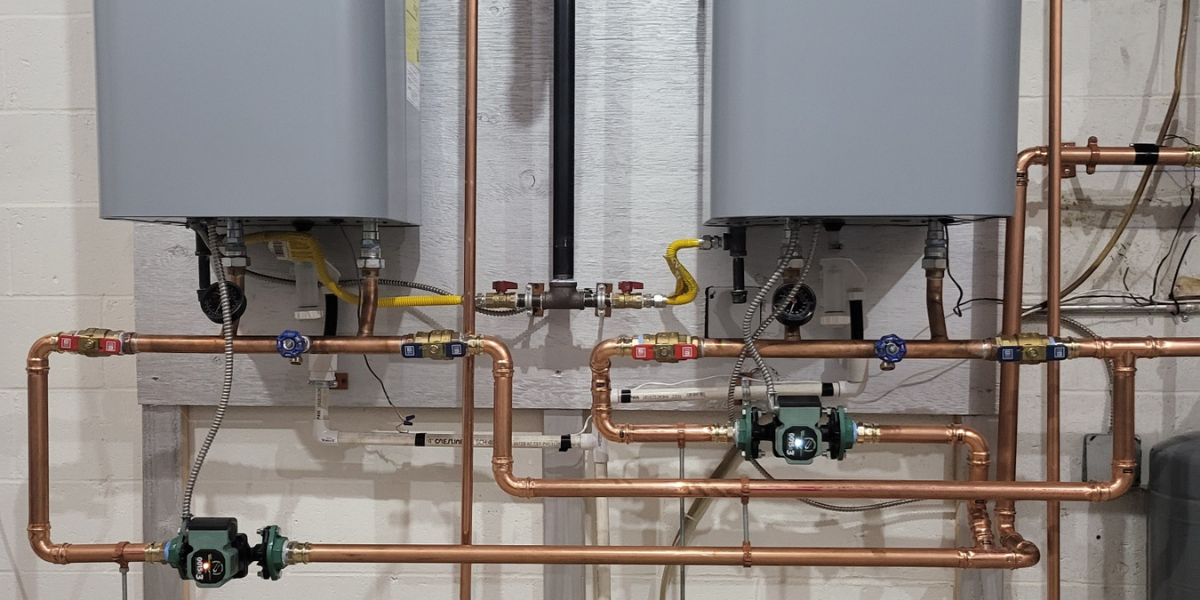
Gas line repair and installation are critical services because gas lines are among the most important and potentially dangerous systems in any home or commercial building. Whether they fuel your stove, water heater, furnace, or outdoor grill, these residential gas lines must be installed correctly and maintained safely. If something goes wrong, the outcomes can be dire: gas leaks, carbon monoxide exposure, or even fire hazards. That’s why understanding how gas lines work, when they need repair, and what to expect during an installation is essential for any property owner.
This guide explains everything you need to know about gas line repairs and installations, from common gas leak warning signs to proper building codes, the repair process, and why hiring a licensed gas plumber is not just a good idea but a requirement.
Why Gas Line Safety Matters
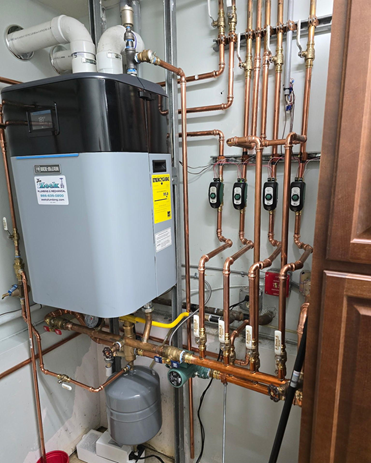
While natural gas is a highly efficient and economical energy source, it’s crucial to manage it carefully. Even a small leak can put your home at risk. Gas is highly flammable, invisible, and often odorless. If a leak occurs, it can spread quickly through walls, crawlspaces, or basements, which is why natural gas safety is so important.
A safe gas line system ensures:
- Efficient fuel delivery to appliances
- Reduced risk of leaks or explosions
- Compliance with local building codes
- Long-term reliability and performance
- Peace of mind for homeowners and business owners
Gas line work is never a DIY project. Codes are strict for a reason, and one incorrect connection or improperly sized pipe can create dangerous pressure issues or allow combustible gas to escape, turning a simple gas line repair into an emergency plumbing situation.
Common Warning Signs You Need Gas Line Repair
Gas lines are usually built to endure for many years, but that doesn’t mean they’re free from wear and tear. Outdoor weather conditions, gas line corrosion, appliance changes, and simple aging can cause lines to deteriorate over time. Here are the most common gas leak warning signs of trouble:
1. The Smell of Rotten Eggs
The most obvious indicator of a leak is the strong sulfur-like odor intentionally added to natural gas. If you smell it, leave the home immediately and call your gas company for emergency plumbing assistance and professional gas line repair.
2. Hissing Noises Near Gas Appliances
A hissing or whistling sound near a line or connection often indicates escaping gas. This requires immediate attention. This requires immediate attention from a licensed gas plumber.
3. Higher-Than-Normal Gas Bills
A hidden leak or poorly functioning gas line can cause consumption to spike as it is continually leaking even when you aren’t using gas, and may indicate that residential gas lines need gas line inspection or gas pipe replacement.
4. Dying or Discolored Vegetation
If an underground gas line is leaking, vegetation above it may turn yellow, die, or show unusual discoloration. This is one of the key gas leak warning signs that your buried residential gas lines may need gas line repair.
5. Malfunctioning Gas Appliances
If your stove won’t stay lit, your furnace burns inconsistently, or your water heater stops heating, the problem may be the line supplying them. If the gas line is not providing enough gas, it could be caused by a gas leak and may require gas pipe replacement or other gas line repair.
6. Corrosion or Rust on Lines
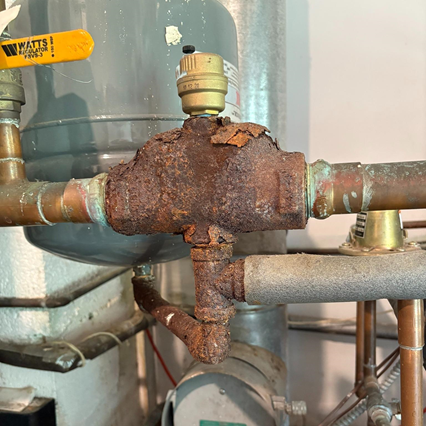
Metal pipes that are left out in the moisture can start to rust and lose their strength over time, which raises the chances of leaks. Visible rust or gas line corrosion is a clear sign that it’s time for gas line inspection and likely gas line repair or gas pipe replacement.
If you notice any of these signs, call a licensed gas plumber immediately. Gas problems worsen quickly and should never be ignored.
What Causes Gas Line Leaks?
Gas line leaks can stem from a variety of sources, including:
- Corrosion: Over time, pipes can rust or wear down, especially in damp environments or outside where the line is exposed to the elements. This type of gas line corrosion often leads to gas line repair or full gas pipe replacement.
- Improper Installation: Poorly fitted connections or incorrectly sized lines can cause pressure problems and leaks, especially in residential gas lines where the gas line installation was not completed by a licensed gas plumber.
- Ground Movement: Soil shifting, construction work, or severe weather can shift the underground main from the street to the gas meter.
- Aging Infrastructure: Older homes often have outdated steel or iron pipes that degrade over time. Nothing lasts forever, and older systems are frequent candidates for gas pipe replacement.
- Accidental Damage: Landscaping or excavation without proper marking can easily puncture a buried gas pipe. When digging, always call in markouts to prevent damage to underground utility lines and avoid an emergency plumbing event involving gas line repair.
Understanding the root cause helps determine whether repair or full gas pipe replacement is the safer and more cost-effective solution.
Professional Gas Line Repair: What to Expect
Gas line repair is a meticulous process that requires training, licensing, and specialized equipment. Here’s how a professional typically approaches the job:
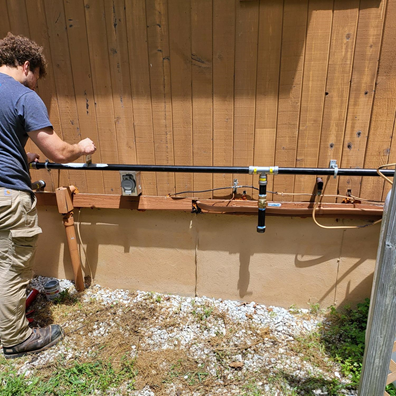
1. Inspection and Leak Detection
A technician will evaluate all lines using a combination of tools:
- Gas readers
- Soapy water, which can be used to spray the lines, and any leak will bubble up!
- Pressure gauges
- Thermal sensors.
This thorough gas line inspection is an important part of natural gas safety and ensures leaks are found before they become major hazards.
2. Shutting Off the Gas Supply
Before repair begins, the technician will turn off the gas supply at the meter or isolate that gas line to ensure no gas is running while the repair is being made, a standard natural gas safety step.
3. Locating and Exposing the Gas Line
If the problem is underground, Zeek Plumbing can dig carefully to expose the damaged section so a repair or gas pipe replacement can be made as part of the gas line repair process.
4. Repairing or Replacing the Line
Depending on the condition of the pipe, the technician may:
- Replace a small section
- Tighten loose fittings
- Replace the entire run if necessary
- Replace connections or adapters, or shut-off valves
In some cases, this gas line repair may transition into partial or full gas pipe replacement to restore natural gas safety.
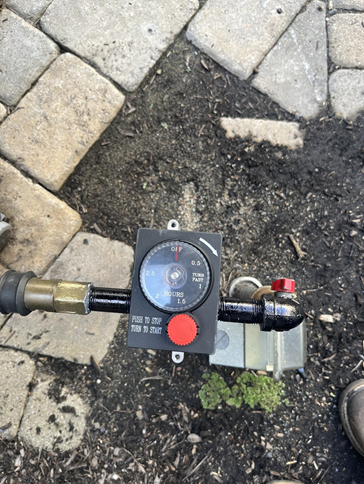
5. Pressure Testing
Once repaired, the entire line is pressurized, and using a pressure gauge, Zeek Plumbing can verify that no pressure is lost and the repair is completed! This step is known as pressure testing gas lines and is essential after any gas line repair.
6. Code Compliance and Final Inspection
Gas work must meet strict local building codes. Many townships and utility companies require a formal inspection before gas service can be restored. All new gas line installation work must be permitted and approved by the township prior to beginning the work. Leaks can be repaired without filing permits, as it is an emergency, but inspections following the repair are often required to confirm natural gas safety after a gas line inspection.
7. Restoring Service
Once approved, the technician reopens the gas shut-off valve and checks all gas fixtures and appliances. Without gas running during the repair, water heaters, boilers, and other fixtures need to be relit. This final step confirms that residential gas lines and appliances are operating safely after gas line repair.
When Is Gas Line Replacement a Better Option?
Sometimes repairing a gas line isn’t enough. Replacement may be recommended when:
- Pipes are severely corroded or outdated
- Multiple leaks are found in the same area
- The home is undergoing a major renovation
- The line is undersized for new appliances
- Building codes require upgrades
In these situations, full gas pipe replacement may be safer than repeated gas line repair, especially in older residential gas lines with widespread gas line corrosion.
Modern gas lines, often made of flexible CSST, offer improved safety and longevity against rust and corrosion, reducing future gas line repair needs and supporting long-term natural gas safety.
Professional Gas Line Installation: A Step-by-Step Overview
Whether you’re adding a new stove, installing an outdoor grill, finishing a basement, or switching to gas heat, proper gas line installation ensures long-term safety and performance. Here’s how the process typically works:
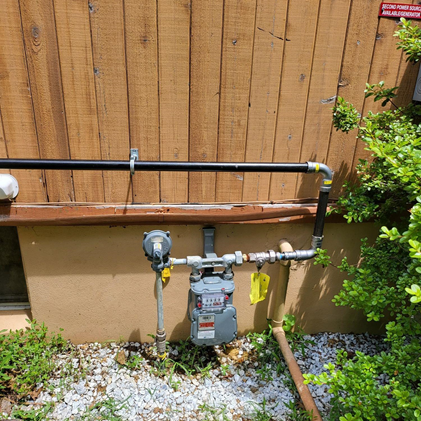
1. Planning and Load Calculation
A technician calculates the BTU requirements of every gas appliance to determine the appropriate pipe size and system layout. Depending on the distances of the runs and the required gas load for all the fixtures, the piping may need to be upgraded, especially in complex residential gas line systems.
2. Permits and Local Code Requirements
In NJ, new gas line installation requires permits and inspections for any gas installation. A licensed gas plumber handles this process. Many handymen and contractors know how to run gas piping, but they do not have the licensing required to file permits and schedule inspections. Hire a licensed plumber, such as Zeek Plumbing, to ensure your gas line installation passes the gas line inspection.
3. Running and Installing the Gas Line
Once all permitting and paperwork have been approved, Zeek Plumbing will begin the gas line installation of the gas line whether that’s to one fixture or many fixtures. This careful work helps prevent leaks, gas line corrosion, and future gas line repair needs.
4. Pressure Testing and Final Inspection
Before gas can flow, the entire system undergoes testing and must pass inspection. A pressure test gauge is installed on the gas line, and the line is pumped full of air. If the line loses pressure, the gas line is leaking. If pressure holds, the gas line is good to go! This is another example of pressure testing gas lines before final approval.
5. Inspection Approval and Final Connections
Once the township approves the pressure test inspection, the gauge can be removed, final connections can be made, and the gas can be turned on! This completes the gas line installation process and confirms via gas line inspection that your residential gas lines meet all natural gas safety and code requirements.
Common Gas Line Installation Projects

Homeowners often request gas line installations for:
- Gas water heaters
- Furnaces and boilers
- Gas stoves or ranges
- Outdoor kitchens and grills
- Pool or spa heaters
- Gas fireplaces
- Dryers
- Whole-house generators
Each project requires careful sizing, planning, pressure testing gas lines, and adherence to safety standards to avoid future gas line repair or gas pipe replacement and maintain natural gas safety.
Why You Should Never DIY Gas Line Work
Handling gas can be quite risky, and it’s actually illegal to do so without the right licenses. A simple mistake, an improperly tightened fitting, a wrong pipe size, or an overlooked leak can result in catastrophic damage and the need for emergency plumbing, gas line repair, or even full gas pipe replacement.
Professional gas contractors follow strict processes, use advanced tools, and understand the building codes that ensure your system operates safely. The peace of mind is well worth the investment in a licensed gas plumber who can perform proper gas line installation, gas line repair, and gas line inspection when needed.
Final Thoughts
Gas line repairs and installations are essential services that keep your property safe and your appliances running efficiently. Whether you suspect a leak, need a damaged pipe replaced, or are planning a new gas line installation, always work with qualified professionals who understand the codes, risks, and best practices involved in residential gas lines, natural gas safety, and pressure testing gas lines.
When done correctly, a properly installed and well-maintained gas line system will serve your home reliably for decades, giving you confidence and comfort every day. Call Zeek Plumbing at 866-635-0200 to discuss your next gas line repair, gas pipe replacement, or gas line installation and any emergency plumbing needs!