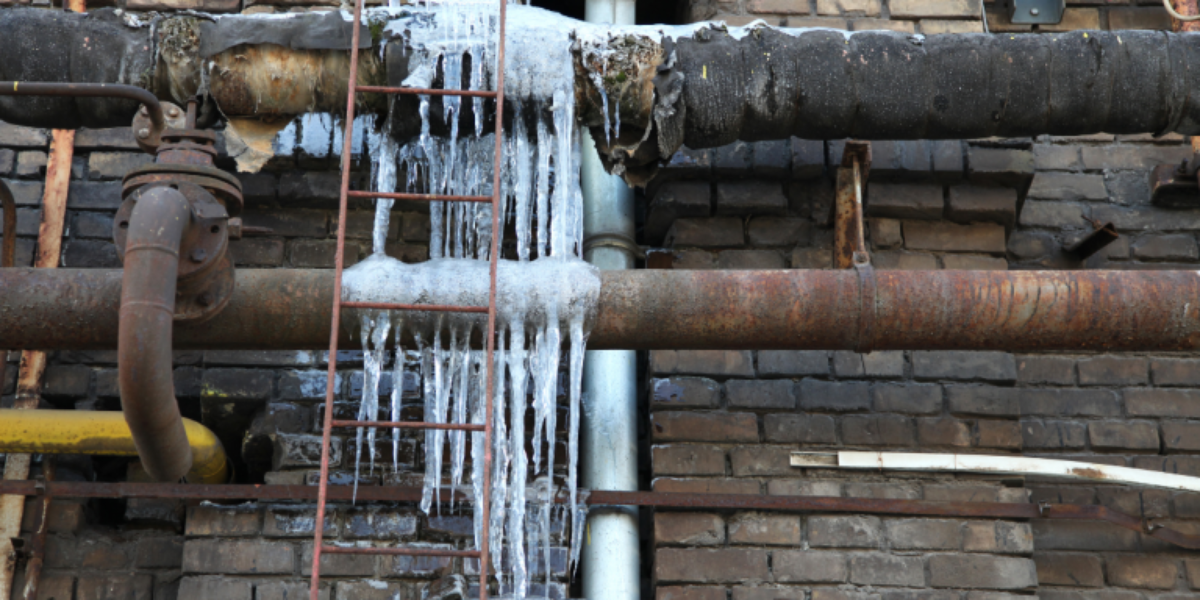
Frozen pipes are one of the most common and costly plumbing problems homeowners face during cold weather. When temperatures drop, water inside pipes can freeze, expand, and place tremendous pressure on the pipe walls. This pressure can cause pipes to crack, burst, or completely fail, leading to water damage, mold growth, and expensive repairs. Fortunately, many frozen pipe situations are preventable with the right preparation, maintenance, and awareness.
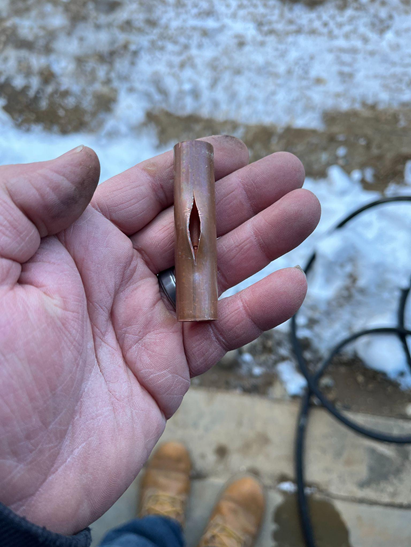
Understanding how and why pipes freeze and taking proactive steps before winter arrives can help protect your home, plumbing system, and peace of mind. Below are practical, effective ways to help prevent frozen pipes and avoid the plumbing emergencies that often follow.
Why Pipes Freeze in the First Place
Pipes freeze when they are exposed to temperatures below freezing for extended periods of time. This typically occurs in areas where pipes are poorly insulated, located near exterior walls, or installed in unheated spaces such as basements, crawl spaces, attics, garages, or exterior hose connections.
Certain homes are more vulnerable than others. Older houses may have outdated insulation or plumbing materials, while homes with complex layouts or additions may have pipes running through areas that are difficult to heat. Even newer homes can experience frozen pipes if airflow, insulation, or temperature control is inadequate.
Understanding these risk factors is the first step in preventing winter plumbing problems.
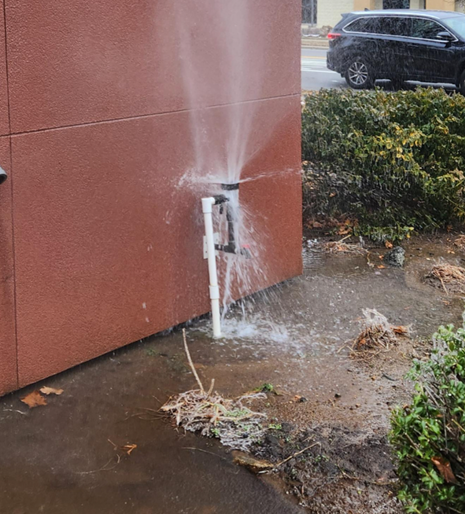
Insulate Exposed Pipes
One of the most effective ways to prevent frozen pipes is proper insulation. Pipes located in unheated or partially heated areas should be insulated before cold weather sets in.
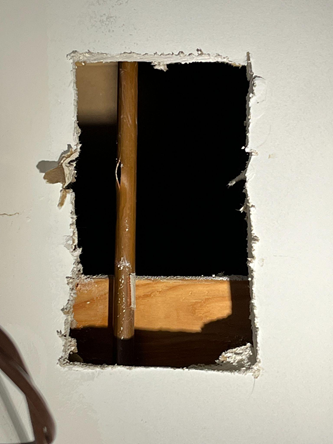
Pipe insulation sleeves, foam wraps, or fiberglass insulation can help slow heat loss and keep water inside the pipe from freezing. Pay special attention to pipes in crawl spaces, attics, basements, garages, and along exterior walls. Even pipes under kitchen sinks, bathroom sinks, and even some showers can be at risk if the water lines are run up outside walls.
While insulation is not a guaranteed solution in extremely cold conditions, it significantly reduces the chances of freezing and is one of the most affordable preventative measures available.
Seal Drafts and Air Leaks
Cold air drafts can quickly lower the temperature around pipes, increasing the risk of freezing. Cracks and gaps around windows, doors, vents, and foundation penetrations allow cold air to enter the home and reach plumbing lines.
Sealing these openings with caulk, weatherstripping, or expanding foam can help maintain consistent indoor temperatures and protect pipes from sudden temperature drops. Pay close attention to areas where plumbing enters or exits the home, such as pipe penetrations through walls or floors.
Keeping cold air out doesn’t just protect plumbing, it also improves energy efficiency and indoor comfort.
Keep the Heat On
One of the most common causes of frozen pipes is turning the heat down too low or shutting it off entirely during cold weather. While lowering the thermostat may save on heating costs, it can increase the risk of pipes freezing, especially in less used areas of the home.
Maintaining a consistent indoor temperature even overnight or when you’re away helps keep pipes warm enough to prevent freezing. This is especially important for homes with plumbing in exterior walls, crawl spaces, or any unheated spaces.
If you plan to be away for an extended period during winter, keeping the heat on at a safe minimum level is far less costly than dealing with burst pipes and water damage. Heating systems are also more efficient at keeping a temperature level the same as it doesn’t need to work as hard.
Allow Faucets to Drip During Extreme Cold
During periods of extreme cold, allowing faucets to drip slightly can help prevent freezing. Moving water is less likely to freeze than stagnant water, and even a slow drip can relieve pressure inside the pipes if freezing begins.
This strategy is particularly useful for pipes located along exterior walls or in areas known to freeze in the past. While dripping faucets may increase water usage slightly, it can be a practical short-term solution during severe cold snaps.
It’s important to use this method strategically rather than relying on it all winter long.
Open Cabinet Doors to Improve Airflow
Pipes located under sinks in kitchens and bathrooms often sit behind cabinet doors, where warm air circulation is limited. Opening these cabinet doors during cold weather allows heated air from the home to circulate around the pipes, reducing the risk of freezing.
This is especially helpful in homes where sinks are installed along exterior walls. Even small adjustments like improving airflow can make a noticeable difference during freezing temperatures.
Disconnect and Drain Outdoor Hoses
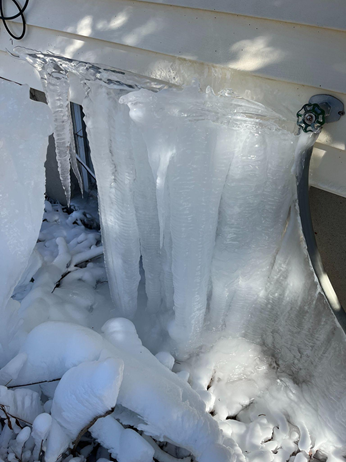
Outdoor plumbing is particularly vulnerable to freezing. Garden hoses left connected to exterior faucets can trap water inside the pipe, causing freezing and potential damage to both the hose bib and the interior plumbing.
Before winter arrives, disconnect all hoses and drain them completely. Shut off interior valves that supply outdoor faucets if available, and open the exterior faucet to allow any remaining water to drain out.
Installing frost-proof hose bibs or insulated faucet covers can also provide additional protection against freezing temperatures.
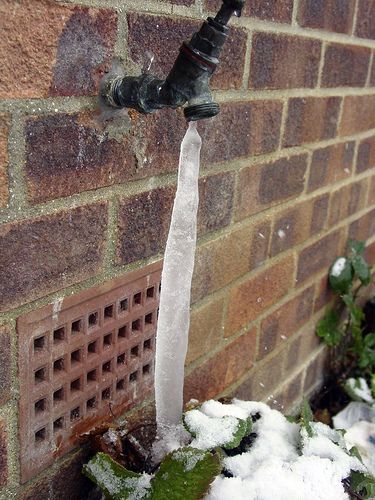
Prepare Your Plumbing Before Winter Arrives
Preventing frozen pipes is much easier when steps are taken before temperatures drop. A seasonal plumbing inspection can identify vulnerable areas, aging materials, or insulation issues that may increase freezing risk.
Plumbers can help locate hidden pipes, assess insulation levels, and recommend upgrades that improve cold-weather performance. Addressing minor issues ahead of time can prevent emergency situations later in the season.
Preparation is especially important for homeowners who have experienced frozen pipes in the past, as these areas are more likely to freeze again.
Protect Pipes in Unheated Areas
Pipes running through unheated spaces like garages, crawl spaces, and attics are at a higher risk of freezing. In addition to insulation, these areas may benefit from additional heat sources or airflow improvements.
Sealing off vents that allow cold air in, adding insulation to walls and ceilings, or installing pipe heating cables can help maintain safe temperatures. While heat tape should be used carefully and according to manufacturer instructions, it can be effective for particularly vulnerable sections of plumbing.
Addressing these high-risk zones can dramatically reduce the likelihood of frozen pipes during winter storms.
Know the Signs of a Frozen Pipe
Early detection can prevent extensive damage. Warning signs of frozen pipes include reduced water flow, unusual noises when turning on faucets, visible frost on exposed pipes, or no water coming from a fixture altogether.
If you suspect a pipe is frozen, it’s important to act quickly but carefully. Avoid using open flames or extreme heat sources, as these can damage pipes or create safety hazards. Gradual warming methods and professional assistance are often the safest options.
Knowing what to look for allows homeowners to respond before a pipe bursts.
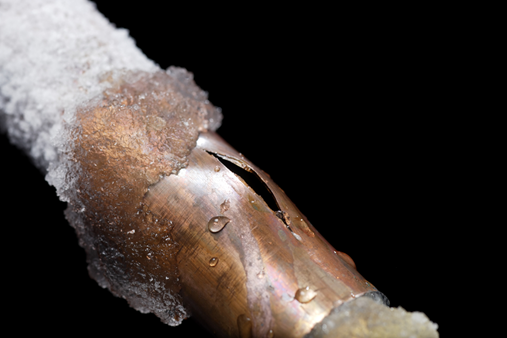
What to Do If Pipes Freeze
Despite preventative efforts, pipes can still freeze during extreme weather. If this happens, shutting off the main water supply can help minimize damage if the pipe breaks.
Warming the affected area slowly and safely may restore water flow, but it’s important to monitor for leaks once the pipe thaws. Even small cracks can lead to water damage if left unnoticed.
In many cases, contacting a licensed plumber is the safest way to address frozen or burst pipes and ensure repairs are completed correctly.
Long-Term Plumbing Improvements
For homeowners in colder climates, long-term solutions may provide better protection against freezing. This can include rerouting pipes away from exterior walls, upgrading insulation, or replacing older plumbing materials with more freeze-resistant options.
While these improvements require planning and investment, they can significantly reduce the risk of recurring winter plumbing problems and improve the overall reliability of the system.
Final Thoughts
Frozen pipes are more than just a winter inconvenience, they can lead to serious plumbing damage, costly repairs, and disruptions to daily life. Fortunately, many of the most effective preventative measures are simple, affordable, and easy to implement with a little planning.
By insulating pipes, sealing drafts, maintaining indoor heat, protecting outdoor plumbing, and staying alert during cold weather, homeowners can greatly reduce the risk of frozen pipes. Preparing ahead of time is the key to keeping plumbing systems safe, functional, and reliable throughout the winter months.
A proactive approach not only helps prevent emergencies but also extends the life of your plumbing system and protects your home from avoidable damage. Call Zeek Plumbing at 866-635-0200 if you think you have a frozen pipe or an active pipe leak!