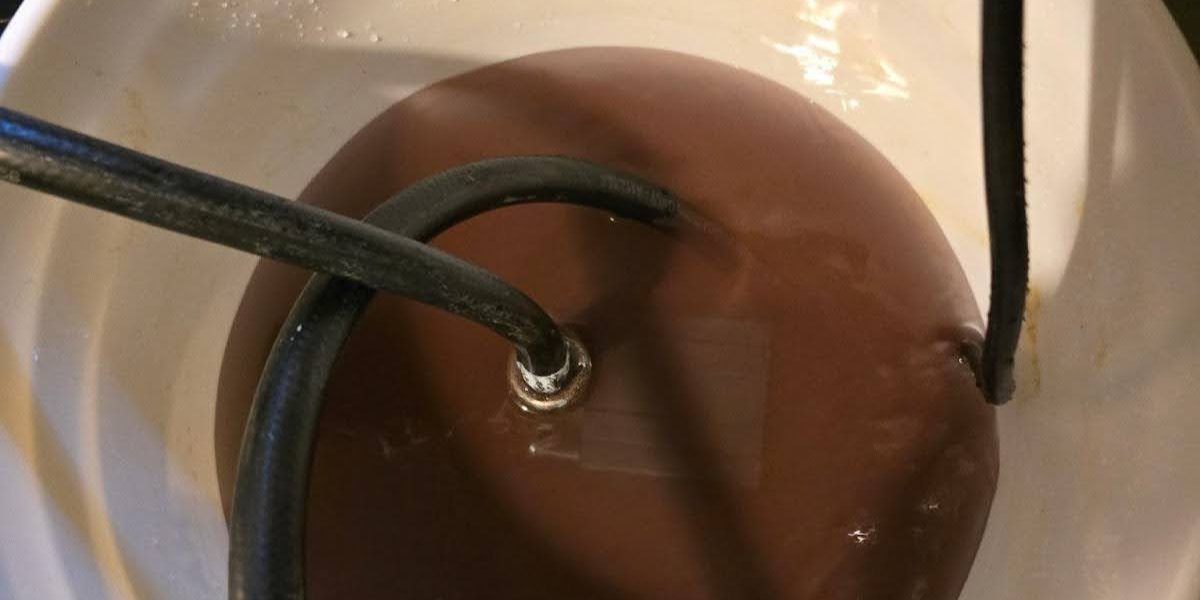
A sump pump is one of the most important pieces of equipment in your home especially if you have a basement. It quietly protects your foundation, finished basement, and personal belongings from water damage. Like any mechanical system, sump pumps don’t last forever.
The key to avoiding costly water damage is knowing the warning signs of sump pump failure and understanding when a repair makes sense versus when replacement is the smarter long-term decision.
What Does a Sump Pump Actually Do?
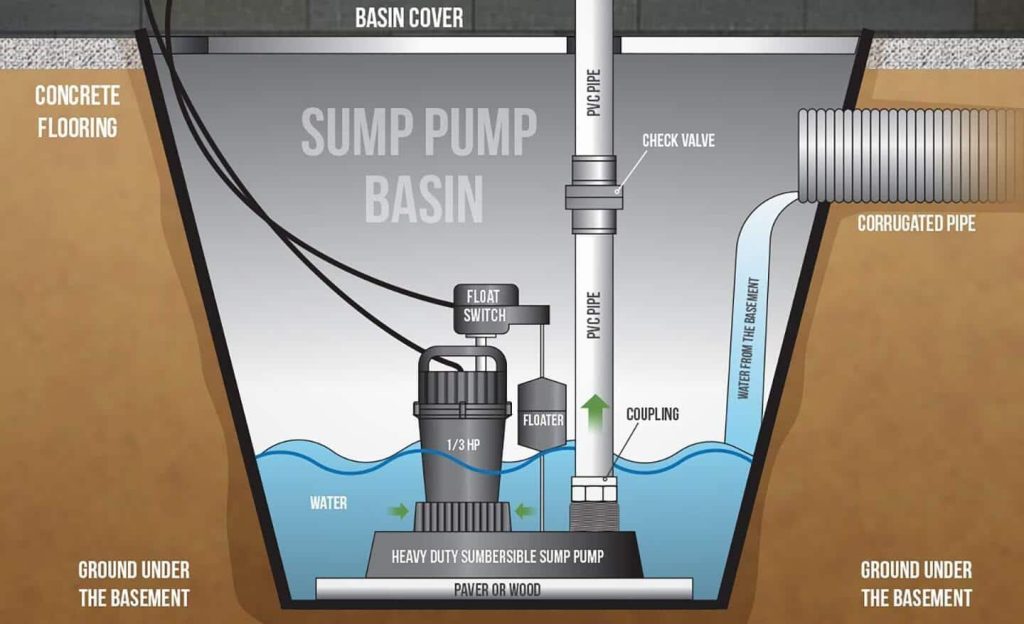
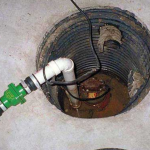
A sump pump sits in a basin (or pit) at the lowest point of your basement. When groundwater rises during heavy rain or snowmelt, water collects in the pit. As the water level rises, a float switch activates the pump, which then pushes water away from your home through a discharge pipe.
There are two common types:
- Submersible sump pumps – Installed inside the pit and submerged in water.
- Pedestal sump pumps – Motor sits above the pit, with a shaft extending down into the water.
Both types can fail for different reasons, and catching early signs can prevent major headaches.
Common Signs Your Sump Pump Is Failing
Here are the most common red flags homeowners should never ignore.
1. The Pump Is Running Non-Stop
If your sump pump runs constantly even when it hasn’t rained, that is a major warning sign.
Possible causes:
- Stuck or damaged float switch
- Improper pump size
- High water table
- Failing internal components
- Clogged discharge pipe
If the pump is running continuously during dry weather, it may be struggling or incorrectly installed. Continuous operation leads to overheating and premature failure.
Repair or Replace?
If it’s a float switch issue, a repair is often possible. If the motor is overworked or undersized for your home, replacement is usually smarter.
2. Strange Noises
Sump pumps aren’t silent, but they shouldn’t sound like a construction site either.
Warning sounds include:
- Grinding
- Rattling
- Loud humming
- Vibrating
Grinding noises may indicate worn bearings. Rattling can suggest a damaged impeller. Excessive vibration may mean debris is caught in the pump.
Repair or Replace?
If debris caused the issue and the motor isn’t damaged, cleaning may solve the problem. If internal components are worn, replacement is typically more cost-effective than rebuilding.
3. The Pump Turns On and Off Rapidly
Short cycling when the pump turns on and off repeatedly in short bursts is a serious red flag.
Causes include:
- Improper pump size
- Float switch problems
- Check valve issues
- Electrical malfunctions
Short cycling wears out motors quickly and can cause complete failure during the next heavy storm.
Repair or Replace?
If it’s a switch or check valve issue, repair may be possible. If the pump is improperly sized, replacement is usually necessary.
4. Visible Rust or Corrosion
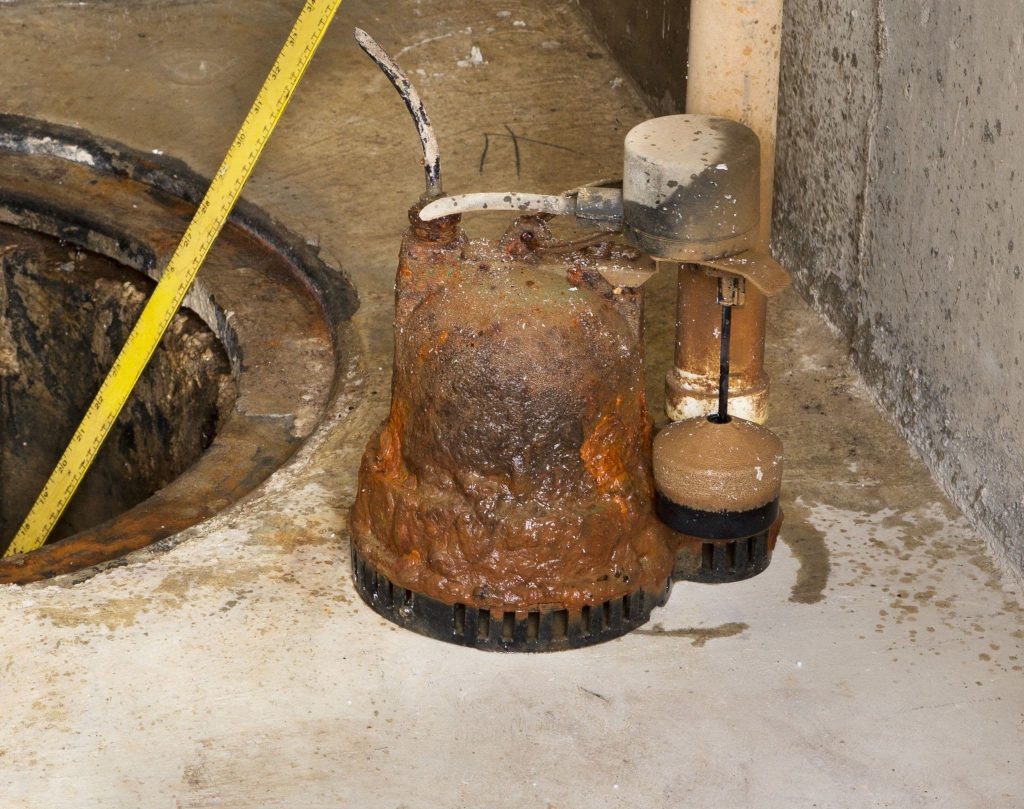
Rust on the pump housing or float switch may indicate:
- Aging metal components
- Structural deterioration
Rust builds up over time and the older the pump, the more likely it needs to be replaced.
Repair or Replace?
Minor corrosion might be manageable. Heavy rust affecting internal components usually signals it’s time for replacement.
5. It’s More Than 7–10 Years Old
Most sump pumps last between 7 and 10 years, depending on:
- Usage frequency
- Quality of installation
- Maintenance
- Water conditions
Even if your pump seems fine, age alone increases the risk of sudden failure especially during a major storm when you need it most.
Repair or Replace?
If your pump is approaching or past 10 years, proactive replacement is often the safer move.
6. The Pump Doesn’t Turn On
This is the most obvious failure sign and the most dangerous.
Possible reasons:
- Electrical failure
- Burned-out motor
- Stuck float switch
- Power outage
- Tripped breaker
If water is rising in the pit and the pump isn’t activating, immediate attention is required.
Repair or Replace?
If it’s an electrical issue, an electrician needs to check the electric. If the motor has failed completely, replacement is usually required.
7. Basement Feels Damp or Musty
Sometimes failure isn’t obvious. Instead, you may notice:
- Increased humidity
- Musty odors
- Minor water seepage
- Mold growth
These subtle signs may mean your sump pump is underperforming or not keeping up with groundwater intrusion.
Repair or Replace?
Have the system inspected. It may need cleaning, maintenance, or upgrading to a higher-capacity unit.
When Repair Makes Sense
Sump pump repairs are reasonable when:
- The pump is under 5–7 years old
- The issue is isolated (switch, check valve, clogged discharge line)
- The motor is still functioning well
- There is no major corrosion
Common repairable components:
- Float switch
- Check valve
- Discharge piping
- Minor electrical issues
If the core motor and housing are still in good shape, repairs can extend the system’s life.
When Replacement Is the Better Option
Replacement is typically the smarter choice when:
- The pump is 8–10+ years old
- The motor has burned out
- Internal components are worn
- The pump frequently malfunctions
- The system is undersized for your home
- Repairs are becoming frequent
Repeated repairs can add up quickly. If your sump pump is unreliable, replacement offers peace of mind and long term protection.
The Risk of Waiting Too Long
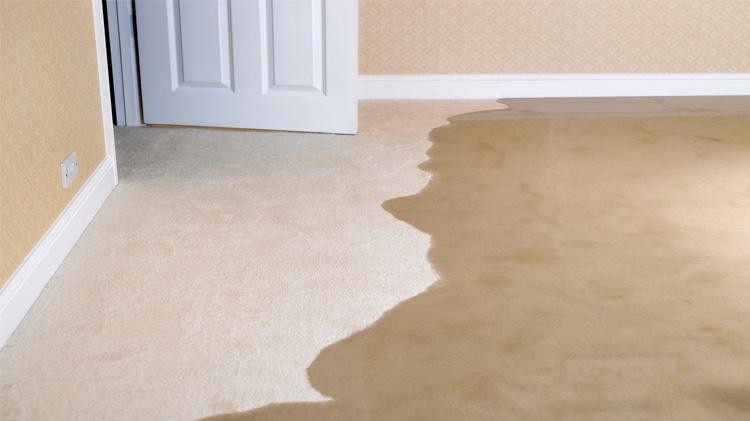
Delaying replacement can lead to:
- Finished basement damage
- Mold remediation
- Flooring and drywall replacement
- Electrical hazards
- Insurance claims
A failed sump pump during a heavy storm can flood a basement in minutes. The cost of proactive replacement is minor compared to restoration and cleanup after flooding.
Preventative Maintenance Tips
To extend the life of your sump pump:
- Test it every 3–4 months by pouring water into the pit.
- Clean debris from the basin.
- Check the discharge line for clogs.
- Inspect the float switch for free movement.
- Ensure the outlet is protected.
- Consider a battery backup system.
Regular maintenance can significantly reduce unexpected failures.
Should You Upgrade Your System?
If you’ve experienced water issues before, consider:
- Installing a battery backup sump pump
- Adding a water-powered backup system
- Upgrading to a higher horsepower model
- Installing a high-water alarm
Backup systems are especially important in areas prone to power outages during storms.
Final Thoughts: Repair or Replace?
Here’s a simple guideline:
- Minor issue + newer pump = Repair
- Old pump + motor problems + recurring issues = Replace
A sump pump is not something you want to gamble with. If there’s uncertainty about reliability, replacement is often the safest long-term investment.
If you’re unsure, having a professional inspection can help determine whether a repair will restore full reliability or if it’s time to install a new system.
Protecting your basement starts with paying attention to the warning signs. The sooner you act, the less likely you are to face expensive water damage when the next heavy rain hits.
Call Zeek Plumbing today and we would be happy to check out your sump pump whether it’s a repair or a replacement!