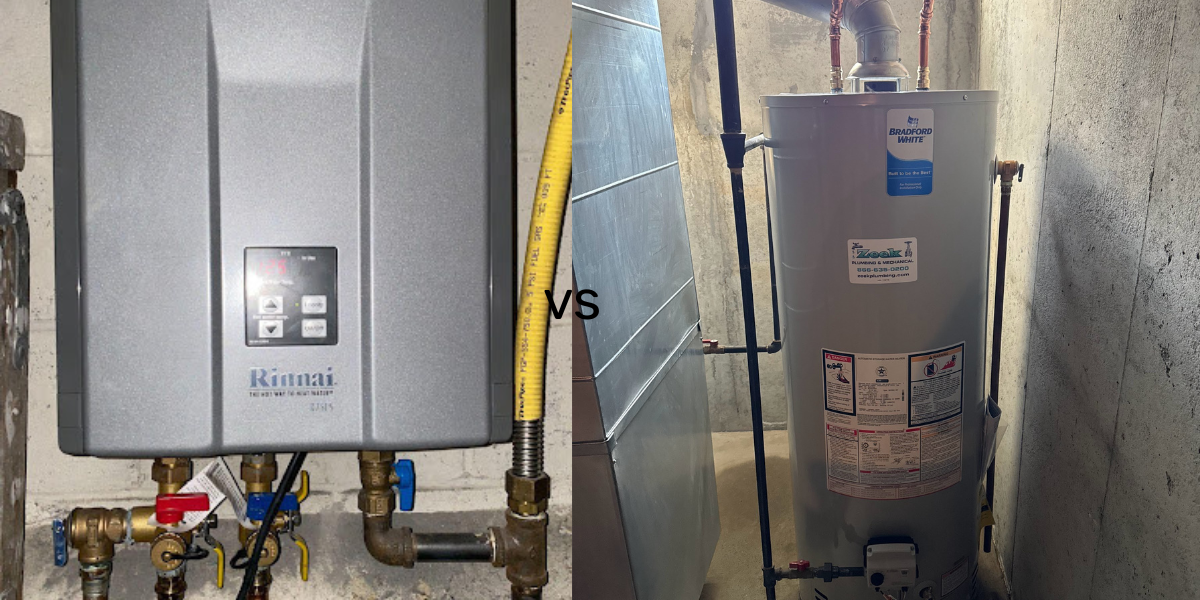
When it’s time to replace your water heater or choose one for a new home, the decision often comes down to choosing between a tankless water heater and a traditional tank-style water heater. Both provide the essential function every household relies on hot water but they do it in very different ways, and each has distinct advantages and drawbacks.
Understanding the differences can help you make the best choice for your home, budget, energy goals, and lifestyle. This guide will walk you through the features, benefits, costs, installation considerations, performance, maintenance, and environmental impact of each type so you can decide with confidence.
How Traditional Water Heaters Work
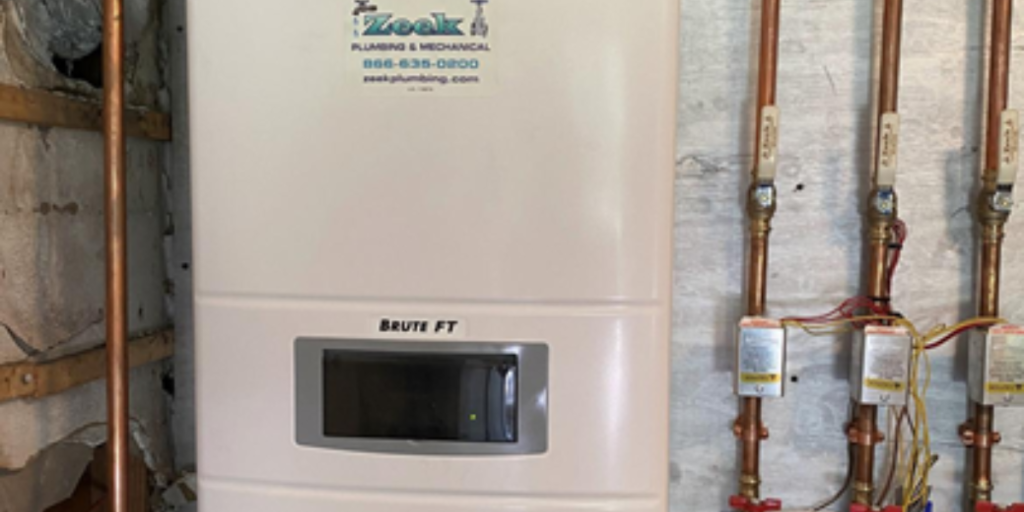
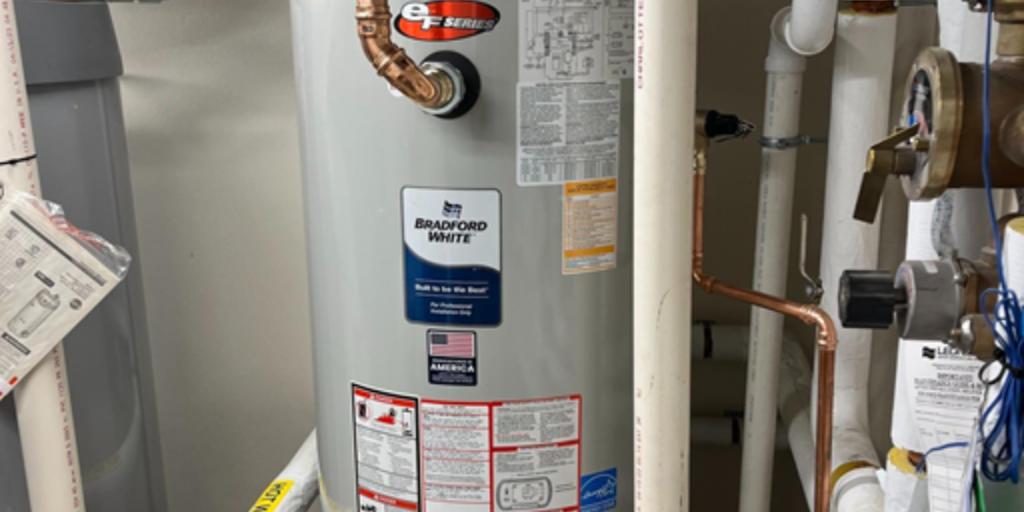
Traditional water heaters also called tank-style water heaters have been the standard in American homes for decades. They consist of a large insulated tank that stores and continually heats a volume of water, typically ranging from 30 to 80 gallons.
Operation
- Cold water enters the bottom of the tank.
- A gas burner or electric heating element heats the water.
- Heated water sits in the tank, ready to be delivered when you turn on the tap.
- As hot water is drawn, cold water refills the tank and the heater maintains the temperature.
Pros of Traditional Water Heaters
- Lower upfront cost — Traditional units are generally cheaper to purchase and install.
- Simplicity — Technology is straightforward and familiar to most plumbers and technicians.
- Stable supply — Because water is stored and kept hot, it’s available instantly at the tap (up to the tank’s capacity).
- Wide availability — Parts and units are easy to find.
Cons of Traditional Water Heaters
- Standby heat loss — Energy is used to keep water hot even when it’s not being used.
- Limited hot water — Once the tank runs out, you must wait for it to reheat.
- Bigger footprint — Tanks take up significant space in utility closets, basements, or garages.
How Tankless Water Heaters Work
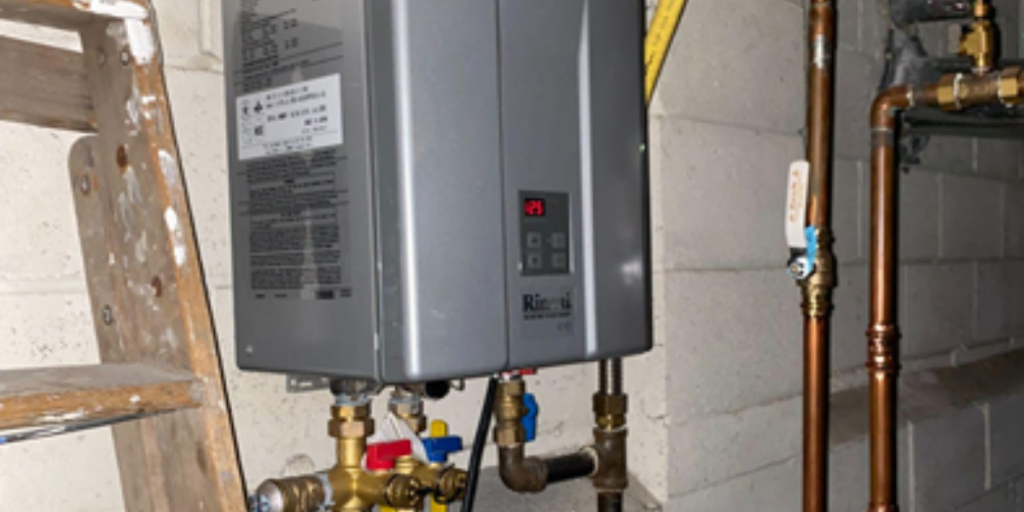
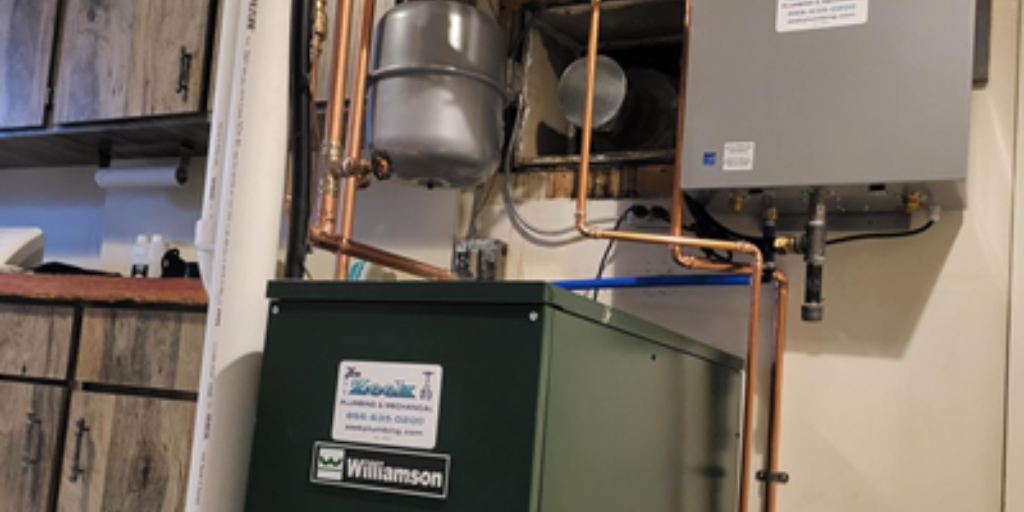
Tankless water heaters also called on-demand water heaters do not store hot water. Instead, they heat water only when you need it.
Operation
- When a hot water tap is opened, cold water flows through the unit.
- A high-power gas burner or electric element quickly heats the water as it flows past.
- Hot water is delivered instantly with no tank storage.
Pros of Tankless Water Heaters
- Energy efficiency — They don’t use energy to maintain a tank full of hot water, reducing standby heat loss.
- Unlimited hot water — As long as demand doesn’t exceed capacity, you won’t run out.
- Smaller footprint — Wall-mounted designs free up floor space.
- Potentially longer lifespan — Tankless units often last longer than traditional tanks.
Cons of Tankless Water Heaters
- Higher upfront cost — Units and installation can be more expensive.
- Installation complexity — Some homes require upgrades to gas lines, venting, or electrical systems.
- Flow rate limitations — Multiple simultaneous hot water uses (like showers + dishwasher) can strain capacity unless sized correctly.
- Maintenance — Hard water areas may require regular flushing to prevent mineral buildup.
Comparing Energy Efficiency
Energy efficiency is one of the biggest deciding factors for many homeowners. Here’s how the two systems compare:
Traditional Water Heater Efficiency
Traditional heaters heat water constantly, which means:
- Standby heat loss occurs as hot water cools in the tank.
- Efficiency varies by tank insulation and recovery rate.
Older models can be significantly less efficient than newer ENERGY STAR® models.
Tankless Water Heater Efficiency
Tankless heaters typically:
- Heat water only when needed.
- Can be up to 24–34% more efficient for homes that use less hot water, and up to 8–14% more efficient for homes with higher water use.
(Actual savings vary with usage patterns.)
As a result, tankless models often deliver lower energy bills especially in households that don’t use a lot of hot water every day.
Cost Comparison: Upfront vs. Long-Term
Upfront Costs
Traditional water heaters:
- Generally it costs less to buy and install.
- The tank-style technology is simpler and familiar to most installers.
Tankless water heaters:
- Typically around 2 to 3 times more than standard tank units.
- Additional costs can come from:
- Upgraded gas lines
- Venting modifications
- Electrical upgrades for electric models
Operating Costs
Over time, tankless units often cost less to operate because they use less energy.
- Savings depend on how much hot water your household uses.
- In households that use a lot of hot water, efficiency gains may be smaller.
- However, most homeowners see noticeable reductions in their utility bills over time.
Lifespan and Replacement Costs
- Traditional tank-style water heaters typically last 8–12 years.
- Tankless heaters often last 15–20 years or more.
When factoring in lifespan with energy savings, tankless systems often offer better long-term value, even if the upfront cost is higher.
Performance and Hot Water Delivery
Performance comes down to two main factors:
- How quickly hot water comes out
- Whether you run out of hot water
Traditional Water Heaters
- Deliver hot water instantly from the tank.
- However, once the stored hot water is used up, you must wait for the tank to reheat which can take 30 minutes or more.
Tankless Water Heaters
- Provide hot water continuously as long as demand stays within the heater’s capacity.
- A properly sized tankless unit can support multiple outlets simultaneously, but overly ambitious usage (shower + laundry + dishwasher all at once) can exceed capacity and reduce temperature.
This is why correct sizing is crucial with tankless heaters, a factor that’s less sensitive with tank-style systems.
Installation and Space Considerations
Traditional Water Heaters
- Installation is usually straightforward.
- Requires space for the tank, often in a basement, garage, or utility closet.
Tankless Water Heaters
- Can be mounted on walls.
- Save floor space, a big advantage in apartments or smaller homes.
- Some installations require:
- New gas line sizing
- Venting upgrades
- Running new water lines to a new location
Depending on your home’s layout, installation can range from simple to complex.
Maintenance Needs
Both systems benefit from regular maintenance, but the focus differs:
Traditional Water Heaters
- Should be drained and flushed yearly to remove sediment.
- Anode rods need periodic inspection and replacement to prevent rust.
Tankless Water Heaters
- Require descaling in hard water areas.
- Mineral buildup can reduce performance over time.
- Many units recommend an annual flush with a vinegar solution or descaling product.
Overall, maintenance for both systems is manageable, but tankless units may demand more attention in hard water regions.
Environmental Impact
If reducing your carbon footprint matters to you, tankless water heaters have an environmental edge.
Traditional Systems
- Waste energy heating and storing water constantly.
- Higher yearly energy consumption.
Tankless Systems
- Lower energy use due to on-demand heating.
- Reduce greenhouse gas emissions if using gas models more efficiently.
- Electric tankless systems are even cleaner when paired with renewable energy.
Homes aiming for green certifications or lower energy use often prefer tankless systems.
Which System Is Right for You?
There’s no one-size-fits-all answer, the best choice depends on your household size, budget, energy goals, and hot water habits.
Choose a Traditional Water Heater if:
- You want lower upfront costs.
- Your hot water use is high or unpredictable.
- You prefer a familiar, simple system.
- Space isn’t a concern.
Choose a Tankless Water Heater if:
- You want energy savings and lower monthly bills.
- You value continuous hot water.
- You want a longer-lasting system.
- You have limited space.
- Reducing environmental impact matters to you.
Considerations Before You Buy
Here are a few final planning tips:
1. Estimate Your Hot Water Demand
- Count simultaneous uses (showers + washing machine + another fixture).
- Tankless systems should be sized based on flow rate (GPM) and temperature rise.
2. Check Local Fuel Costs
- Gas prices vs. electric rates can affect operating costs.
- Efficiency ratings (like EF or UEF) help compare models.
Conclusion
Both traditional and tankless water heaters have their place in modern homes. Traditional tank systems offer simplicity and lower initial cost, while tankless heaters provide efficiency, endless hot water, and long-term value. The ideal choice depends on your household’s needs, budget, energy goals, and future plans.
By weighing the pros and cons outlined here, you can confidently choose the right system for your home and enjoy reliable, efficient hot water for years to come.