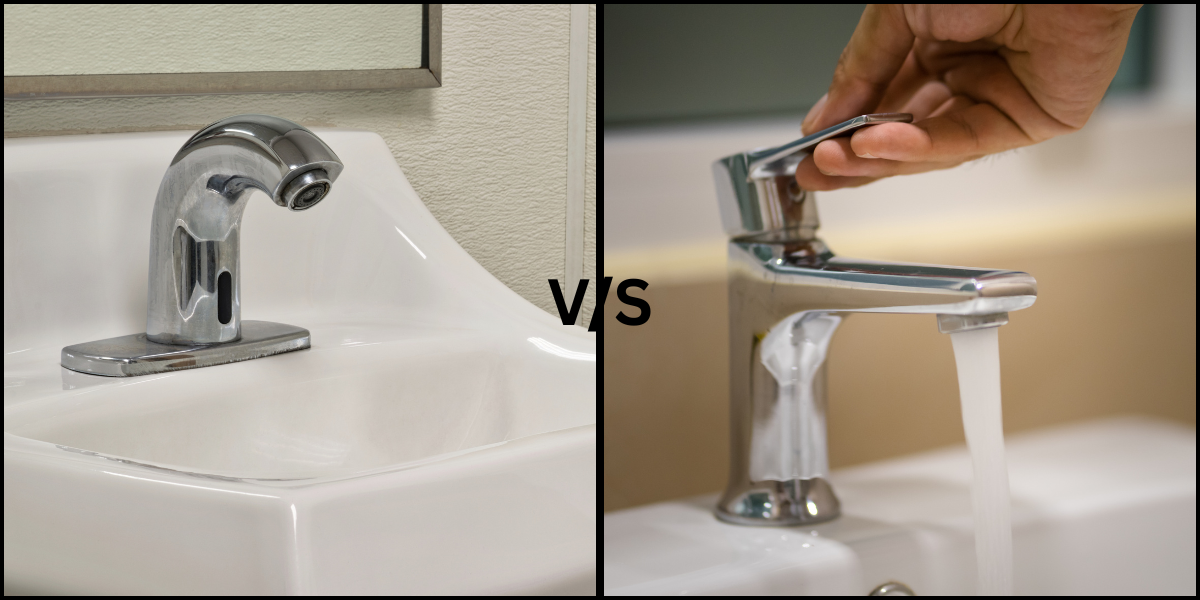
Touchless fixtures are gaining traction in homes and commercial spaces because they promise cleaner use and tighter control of water. The big question for property managers and homeowners in NJ is simple: Do touchless options lower total costs compared with manual alternatives over time? This article explores long-term savings, efficiency, and reliability, and why professional support matters for performance and lifespan. The right choice often comes down to usage patterns, upfront budgets, and the quality of plumbing fixture installation and ongoing plumbing fixture repair.
Understanding the Difference Between Touchless and Traditional Fixtures
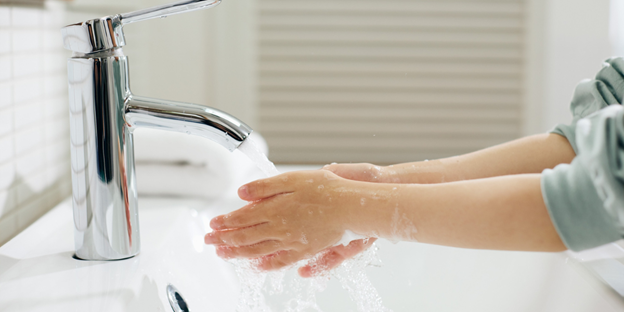
Most faucets deliver the same end result, but the way they operate affects water use, cleaning time, and maintenance frequency. Touchless options activate with sensors, which reduces wasted water and contact with handles. Traditional faucets rely on manual handles and valves.
What Are Touchless Fixtures?
A touchless bathroom faucet uses motion sensors to start and stop water only when hands are in range. That reduces idle run time and curbs germs on surfaces. You see touchless plumbing fixtures in kitchens, public restrooms, office washrooms, and busier home bathrooms. Automatic shutoff and controlled flow help these units function as water-saving bathroom fixtures, and the cut in hot water waste supports energy-efficient plumbing fixtures goals. When installed correctly, sensors feel seamless in daily use and limit accidental activation.
The initial price is higher than a basic manual faucet because of electronics and higher-spec valves. Households that wash frequently or properties with high foot traffic get faster payback from reduced water and hot water use.
How Traditional Fixtures Work
Manual faucets rely on handles, stems, cartridges, and seats to control flow and temperature. Many homeowners like their straightforward feel and the lower entry price. Repairs are familiar too, since a worn washer or cartridge is a common plumbing fixture repair. In older homes throughout Northern New Jersey, traditional plumbing fixtures remain a reliable standard, especially when paired with solid plumbing fixture installation and quality parts.
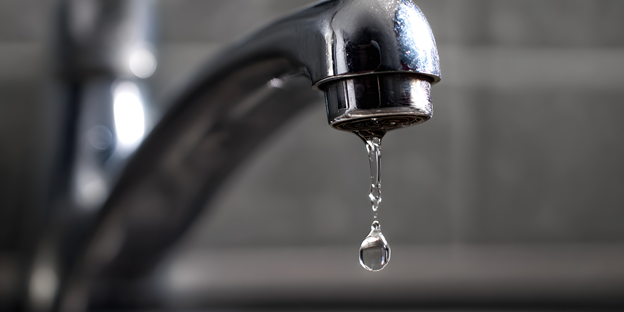
Upfront price is the main advantage. Expect fewer electronics to think about, but more contact with handles leads to cosmetic wear and intermittent drips over time. Frequent small fixes are affordable individually, yet they can add up across a building with heavy use.
Cost Comparison Breakdown, Touchless vs. Traditional Fixtures
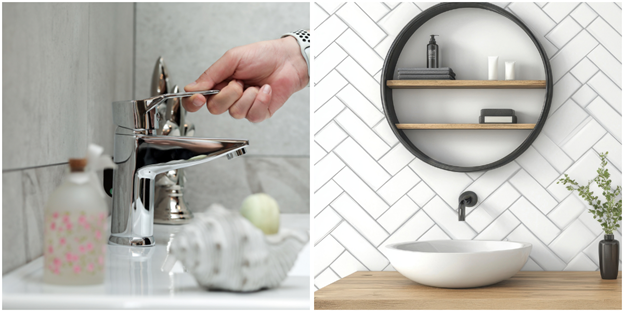
Comparing lifetime cost means looking beyond purchase price. Consider installation, water and energy bills, cleaning time, consumables like batteries, and the odds of leaks or worn parts. Materials and brand support matter as well, since parts access can shorten service time and lower ongoing costs.
Key Drivers of Long-Term Savings
The biggest savings come from flow discipline and fewer minutes spent cleaning or adjusting leaky handles. Auto shutoff prevents taps from being left on. Consistent flow rates limit volume per use, and reduced handle contact cuts finish wear and loose-handle issues. Lower hot water use brings down gas or electricity costs, which boosts the case for energy-efficient plumbing fixtures.
Real-World Savings and ROI
Savings vary by usage intensity. In homes with kids or frequent cooking and cleaning, a touchless bathroom faucet cuts idle flow and splash cleanup. In Morris County businesses, restrooms with steady traffic see faster returns from touchless plumbing fixtures. Pair the right model with reliable plumbing fixture installation to capture consistent results month after month.
Utility Bill Reductions
Less idle run time turns into direct savings on water and sewer bills. In homes, a touchless setup can shave down gallons per person each day by cutting those extra seconds at the sink. In businesses, consistent flow rates, automatic shut-off, and lower hot water use combine into predictable monthly savings. These traits match the goals of water-saving bathroom fixtures and energy-efficient plumbing fixtures, which tackle both volume and temperature.
A home with touchless fixtures can trim 1,500 to 3,000 gallons a year. A commercial restroom can save 6,000 to 20,000 gallons of water per year per faucet with higher savings during peak usage.
Return on Investment (ROI)
ROI depends on how often people use the fixture and how high local rates run. A modest usage home might favor a quality manual faucet, while a mid to high usage home reaches break-even on a touchless unit in a few years. In high-traffic properties, touchless plumbing fixtures reach payback faster than traditional plumbing fixtures, since savings stack up quickly in a large office space with multiple bathrooms for many employees.
Durability, Maintenance, and Longevity
Build quality and correct installation shape the lifespan. Brass and stainless bodies last longer than lightweight alloys, and ceramic cartridges reduce drip risk. With less physical handling, touchless finishes stay cleaner, which lowers scratches and tarnish. A consistent service plan avoids small issues from turning into costly replacements.
Fixture Lifespan and Material Quality
Quality metals, solid valves, and good seals are the foundation for long life. Touchless plumbing fixtures often include commercial-grade ceramic valves that handle frequent cycling. Traditional plumbing fixtures with quality cartridges can match that endurance, though frequent handle turns raise wear on stems and seats. Skilled plumbing fixture installation protects threads, seals, and electronic components from early failure.
Repair and Maintenance
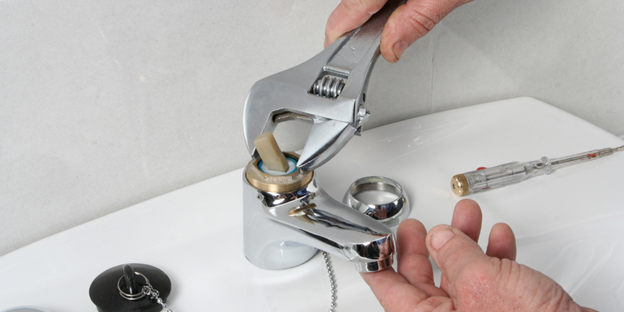
Touchless upkeep usually means sensor replacements, battery replacements, and periodic aerator cleaning. Manual faucet service centers on cartridges, stems, o-rings, and seats. A local shop that knows parts availability and common models shortens repairs and avoids multiple visits. Reliable plumbing fixture repair schedules keep both touchless and manual options in solid condition.
Beyond Cost, Practical Advantages of Touchless Systems

Money matters, yet daily experience carries weight too. No-touch activation limits germ transfer on handles, which keeps high-touch surfaces cleaner. Hands-free start and stop help save water in high use bathrooms and kitchens.
Hygiene and Cleanliness
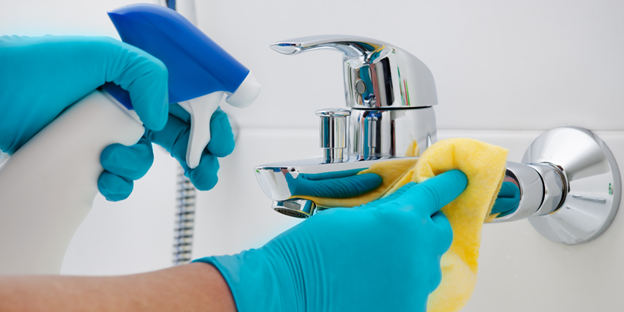
A touchless bathroom faucet reduces the cycle of dirty hands touching a handle before washing. That helps in shared family bathrooms, offices, clinics, and assisted living. Fewer handprints mean less frequent scrubbing, which cuts time and cleaning product use. The benefit grows as traffic increases, which is where touchless plumbing fixtures shine.
Regular cleaning still matters, yet the time saved on wiping handles and polishing finishes adds up. In commercial restrooms, shaving a few minutes per fixture per day can translate into meaningful labor savings each month.
Convenience and Accessibility
Hands-free activation is useful when cooking, carrying items, or dealing with limited grip strength. Children and seniors find it easier to start water without twisting handles. While traditional plumbing fixtures with lever handles help, the sensor experience is simpler for many users.
Ease of use can reduce accidental overflows and splashing, which helps avoid minor water damage.
Choosing What’s Right for Your Property
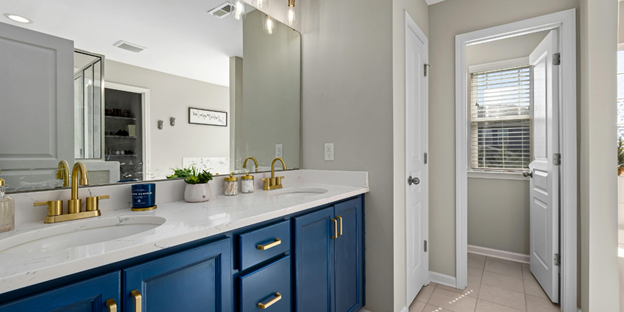
There is no single right answer for every sink. Weigh how often the faucet runs, who uses it, and how disciplined users are about shutting water off. Consider local water and energy rates in Morris County when estimating savings. A smart choice matches the setting, then pairs with skilled plumbing fixture installation and periodic plumbing fixture repair.
Cost highlights
- Low usage powder room: A quality manual faucet may be the best value
- Busy family kitchen or bath: a touchless bathroom faucet often pays back within a few years
- Commercial restroom: touchless typically leads to the total cost of ownership within two years
Consider Usage, Budget, and Long-Term Goals
Start with the traffic level, then factor in the value of hygiene and convenience for your household or staff. If hot water is used often, savings trend higher with energy-efficient plumbing fixtures. In low-use rooms, the lower upfront price for traditional plumbing fixtures may be the wiser choice. Develop a simple plan for cleaning and maintenance so performance stays consistent.
A quick back-of-the-napkin model helps: estimate daily uses, multiply by average seconds saved, convert to gallons saved, then apply your water and energy rates. Review after three months to validate real savings and adjust aerators or settings if needed.
Work with a Local Expert
A licensed local plumber understands parts availability, pressure, mixing valve choices, and power options for sensors. That knowledge shortens installation time and reduces callbacks. A responsive shop provides plumbing fixture repair quickly if issues come up.
Partner with Zeek Plumbing for Long-Term Savings and Reliable Performance
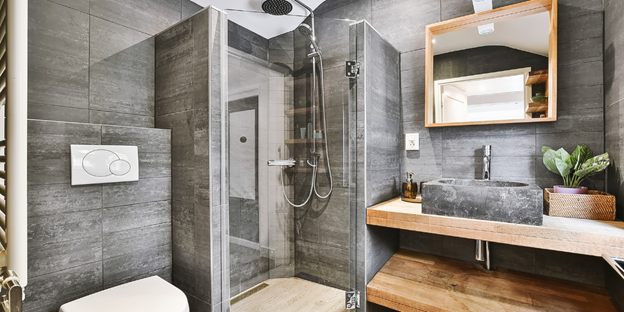
Zeek Plumbing helps New Jersey homeowners and businesses choose and install the right setup for each room. The team matches usage patterns with fixture features and materials, then completes clean, precise plumbing fixture installation. You get dependable performance and better control of water and energy spending.
Our Approach to Fixture Selection and Installation
We talk through how each sink is used, who uses it, and what matters most for that space. Kitchens, kids’ baths, and commercial washrooms often benefit from touchless plumbing fixtures, while guest baths or seldom-used rooms can stick with traditional plumbing fixtures. We recommend reliable brands with strong parts support, then handle plumbing fixture installation to manufacturer specs for lasting results.
Why Choose Us for Maintenance and Repairs
Our service team handles both touchless and manual systems with equal care. From a quick drip fix to a valve cleaning or sensor adjustment, timely plumbing fixture repair keeps water use in check and prevents larger issues.
Our Commitment to Efficiency and Savings
We focus on water-saving bathroom fixtures and energy-efficient plumbing fixtures that lower bills without sacrificing comfort. From one sink to a full restroom upgrade, we size aerators, set sensor ranges, and verify mixing valves for safe, comfortable temperatures. That attention to detail supports both performance and long-term savings.
Conclusion
Touchless fixtures often deliver better long-term value by cutting wasted water, trimming hot water energy, and reducing wear on finishes and moving parts. High-traffic properties see the quickest payback, though busy households can benefit as well. For the best outcome, pair the right faucet with skilled plumbing fixture installation and plan for periodic plumbing fixture repair. Zeek Plumbing serves Morris County and nearby areas with clear recommendations, dependable installs, and responsive service so your investment performs for years.
Contact Zeek Plumbing in Morris County to discuss options that fit your property, whether you prefer a sleek touchless bathroom faucet or a durable manual model.
FAQs About Touchless Fixtures
A few common questions come up for homeowners and facility managers who are comparing options. These quick answers address lifespan, savings potential, and the choice between touch and touchless controls across different settings.
How Long Does a Touchless Faucet Last?
- With quality components and routine care, a touchless bathroom faucet often runs 10 to 15 years. Finish wear is slower because there is less handling. You might replace a sensor or power module in that period.
How Much Water Do Automatic Faucets Save?
- Automatic faucets curb unnecessary flow during handwashing by shutting off quickly and holding a steady rate. In homes, that can mean a few thousand gallons saved each year per fixture, higher for busy households. In commercial restrooms, savings can be several times that figure due to constant turnover. This aligns well with water-saving bathroom fixtures and supports the broader goals of energy-efficient plumbing fixtures by cutting hot water demand.
Is a Touch or Touchless Faucet Better?
- Touch-activated models reduce effort, though they still involve contact. A fully touchless bathroom faucet delivers hands-free use, which boosts hygiene and trims wasted water. The best choice depends on location and traffic level. Low-use spaces might favor traditional plumbing fixtures for upfront cost control, while kitchens and commercial washrooms often gain the most value from touchless plumbing fixtures over the long term.